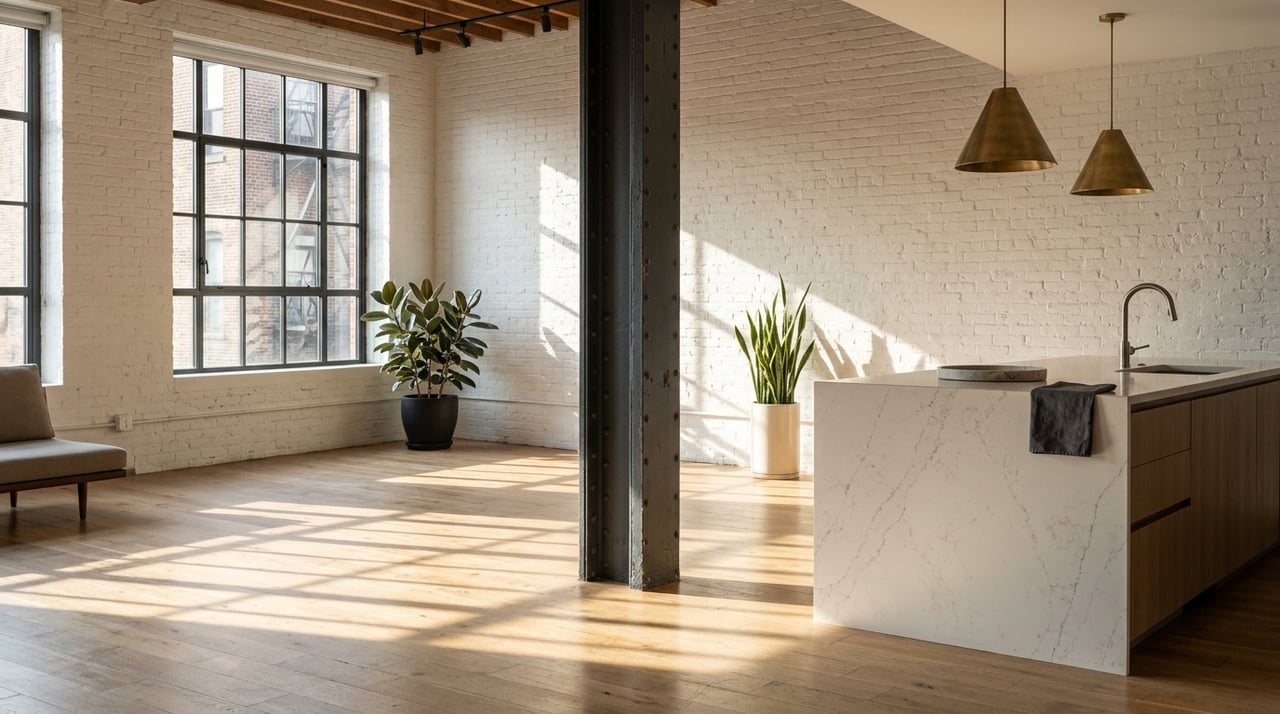
If you are thinking about buying a loft in Tribeca, you are probably drawn to something more specific than just square footage. A true Tribeca loft offers scale, character, and a connection to downtown Manhattan’s industrial past, but it can also come with tradeoffs that are easy to miss during a showing. If you want to buy wisely, it helps to understand how building history, layout, zoning, and renovation rules can shape your day-to-day experience. Let’s dive in.
Why Tribeca lofts are different
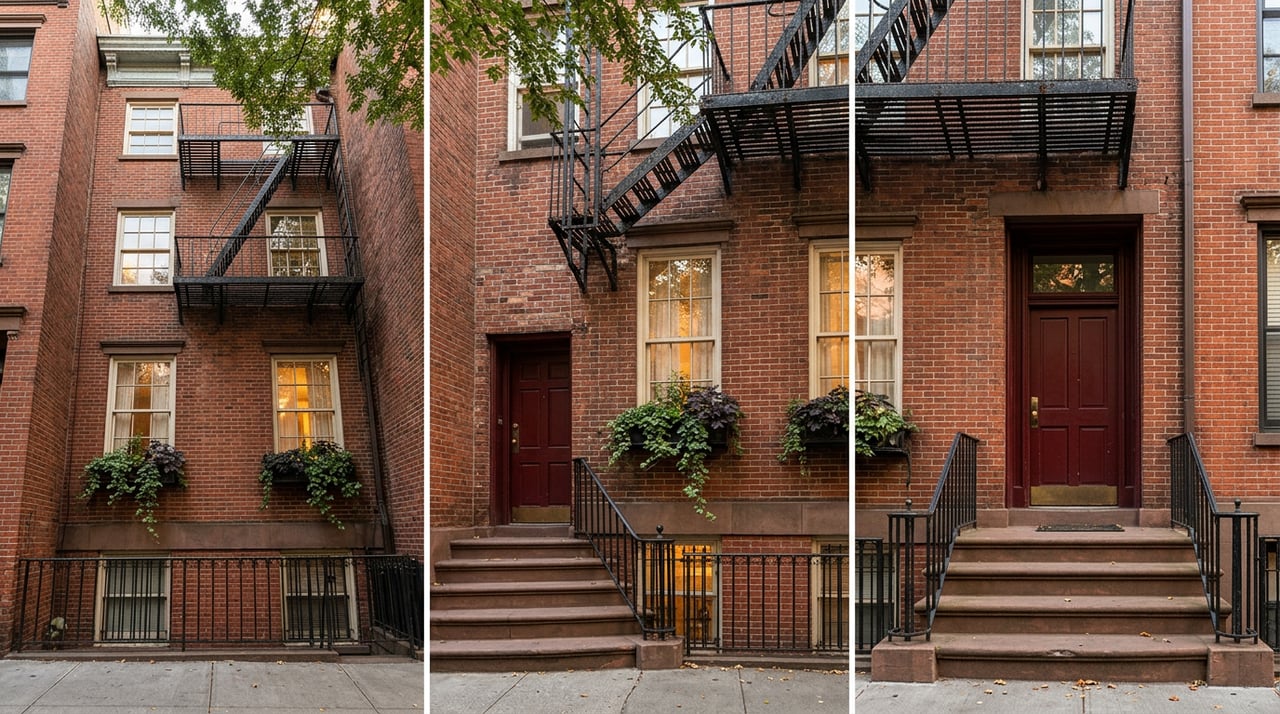
Tribeca’s loft identity did not start as a design trend. The neighborhood developed as a commercial district tied to Washington Market and the Hudson waterfront, and many of its signature buildings were built between about 1860 and 1910 as warehouses, store-and-loft buildings, and other commercial structures.
That history still matters when you shop today. In Tribeca, you are often buying into a building type that was created for storage, showrooms, offices, or light manufacturing before it was adapted for residential use.
Tribeca also sits within the Special Tribeca Mixed Use District. That zoning framework was created to retain industry, allow compatible residential use, and support safe, sanitary housing in converted buildings, which means loft purchases here are shaped not only by aesthetics but also by land-use rules.
From a pricing standpoint, Tribeca remains one of Manhattan’s most expensive loft markets. As of March 31, 2026, Zillow reported an average home value of $3,714,466, 139 homes for sale, and a median 107 days to pending, while StreetEasy showed a median sale price of $3.5 million and a median base rent of $7,897.
Know the district before you buy
Not every Tribeca loft feels the same, and not every building is governed by the same historic rules. The neighborhood includes several historic districts, and each one tends to signal a different architectural character.
The best first step is to verify the exact address through the NYC Landmarks Preservation Commission map tools. That matters because some parts of Tribeca are landmarked while other pockets and parts of the periphery are not, which can affect future exterior work and the amount of original building fabric that remains.
Tribeca West
Tribeca West was designated in 1991. It is known for functional yet decorative 19th-century industrial buildings, giving many lofts in this area a classic warehouse atmosphere.
Tribeca East
Tribeca East was designated in 1992. This district is known for mercantile buildings with cast-iron storefronts, so some lofts here may present a more ornate street presence while still offering large, commercial-scale interiors.
Tribeca North
Tribeca North was also designated in 1992. It includes some of the city’s earliest surviving industrial buildings and large late-19th-century brick warehouses, which often translates to heavier masonry construction and a more warehouse-like feel.
Tribeca South
Tribeca South and the South Extension were designated in 1992 and extended in 2002. This area is especially associated with five-story Italianate cast-iron store-and-loft buildings from the 1850s, making it one of the clearest expressions of Tribeca’s original loft-era architecture.
Focus on layout, not just finishes
A beautiful kitchen and staged furniture can distract you from what matters most in a loft. In Tribeca, the smartest buyers look past finishes and study how the space actually works.
Light can vary more than you expect
Because many loft buildings were not designed as apartments, natural light is often strongest at the perimeter and less dependable deep inside the unit. That means the number of true windows, corner exposure, and whether the apartment is floor-through can be more important than listing photos suggest.
If you love open volume, make sure that volume also comes with usable daylight. A dramatic great room can still leave interior zones feeling dim if the layout reaches too far from the windows.
Privacy may be limited
Open layouts offer flexibility, but they can also reduce separation between sleeping, working, and entertaining areas. If you need a true home office, a quiet guest area, or more defined bedrooms, evaluate enclosed wall space and room placement carefully.
In a loft, the question is not only how large the apartment feels. It is whether the apartment supports the way you actually live.
Noise deserves an in-person test
Street-facing lofts can be lively, especially in a neighborhood known for active restaurant and retail corridors. That energy is part of Tribeca’s appeal, but it is still worth visiting a unit at different times of day before making a decision.
What feels charming on a weekday morning may sound very different at night or on a busy weekend. In this kind of property search, timing your visit can be just as important as studying the floor plan.
Storage is often an afterthought
Many lofts trade conventional closet planning for openness and character. Before you buy, ask yourself where luggage, seasonal items, cleaning supplies, and household equipment will actually go.
You should also ask whether the building offers private storage, basement cages, or enough room for custom millwork. In a loft, storage is not a small detail. It can shape how comfortable the apartment feels over time.
Check renovation limits early
Many buyers are attracted to Tribeca lofts because they see potential. That can be a smart instinct, but in this neighborhood, renovation plans need to be checked against landmark rules, zoning, and possible Loft Law status before you get too attached to an idea.
Landmark rules can affect exterior work
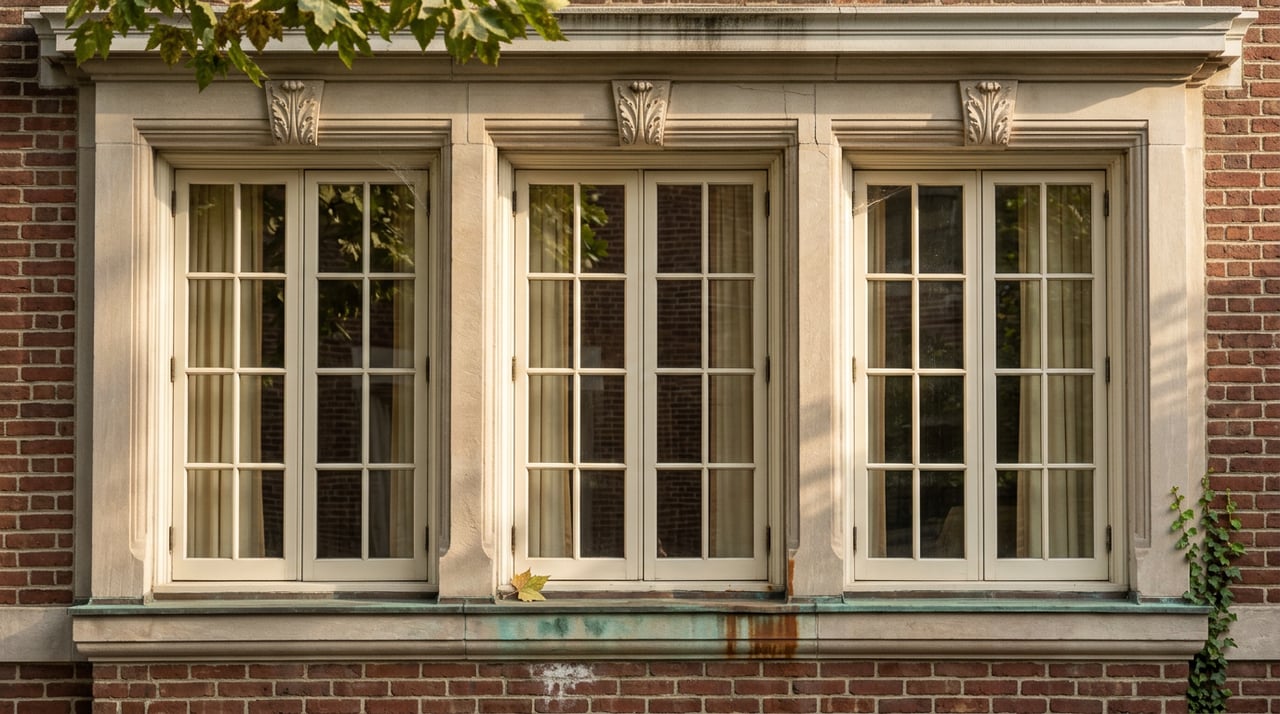
If a building is in a historic district, many exterior changes require review by the Landmarks Preservation Commission. That can include façade work, windows, rooftop equipment, additions, cornices, and even some exterior work that is not visible from the street.
For some interior projects that require a Department of Buildings permit, the work may qualify for a Certificate of No Effect. LPC notes that once a complete application is submitted, these can often be approved within 10 business days, although the agency has up to 30 business days to decide a complete CNE application.
For a buyer, the key takeaway is simple: do not assume exterior upgrades will be routine. If a future renovation matters to you, confirm what has already been approved and what would still require review.
Designation reports matter
LPC designation reports are more than background reading. They describe the building at the time of designation and serve as an important basis for future alteration reviews.
If you are considering changes to a landmarked building, these reports can help you understand what features may receive closer scrutiny. That can save time and help you set realistic expectations.
Zoning and Loft Law status can shape risk
The Special Tribeca Mixed Use District applies rules to developments, enlargements, extensions, alterations, accessory uses, and changes in use within the district. In plain terms, zoning can influence what is possible in a way that goes beyond the apartment itself.
Some buildings may also still be subject to New York City’s Loft Law. According to the Loft Board fact sheet, the law regulates the conversion of certain commercial or manufacturing spaces to residential use in buildings that do not yet have a residential certificate of occupancy, and owners are required to complete the work needed to obtain that CO for the residential portions.
A practical checklist for Tribeca loft buyers
Before you move forward on a loft in Tribeca, it helps to have a clear due diligence list. A thoughtful review can prevent surprises and help you compare opportunities more confidently.
Here are some of the most important questions to ask:
- Is the building landmarked or located within a historic district?
- Has the exact address been checked through the LPC map tool?
- Does the building have a residential certificate of occupancy?
- Is any part of the building or any unit subject to Loft Law or IMD status?
- What alterations have already been approved?
- What future changes would still require LPC or DOB review?
- How many true windows does the unit have, and where is the light strongest?
- How does the layout handle privacy, work-from-home needs, and storage?
- What is the street exposure like at different times of day?
Why guidance matters in a Tribeca loft search
Buying a loft in Tribeca is rarely as simple as choosing your favorite finishes. You are often balancing architecture, usability, building rules, and long-term potential all at once.
That is why experienced, patient guidance can make such a difference. When you understand how to evaluate light, privacy, storage, district context, and renovation limits together, you are in a much better position to choose a loft that fits both your lifestyle and your plans.
If you are considering a Tribeca loft and want clear, strategic advice on how to assess the opportunity in front of you, Rachel Gavrieli can help you navigate the details with the kind of calm, hands-on guidance that makes complex Manhattan purchases feel manageable.
FAQs
What makes a Tribeca loft different from a standard apartment?
- A Tribeca loft is often located in a former commercial or industrial building, which can mean larger open spaces, higher ceilings, and more character, but also less conventional room separation, storage, and light distribution.
What should you check about historic district status in Tribeca?
- You should confirm whether the address falls within a designated historic district using the NYC Landmarks Preservation Commission map tools, because exterior alteration rules can vary depending on the building’s status.
Why is natural light such an important issue in a Tribeca loft?
- Many Tribeca loft buildings were not originally designed as residences, so light is often strongest near perimeter windows and weaker in deeper interior areas.
What renovation rules can affect a Tribeca loft purchase?
- Renovation plans may be affected by LPC review for landmarked buildings, Special Tribeca Mixed Use District zoning rules, and in some cases Loft Law or residential certificate of occupancy issues.
What should you ask about storage in a Tribeca loft?
- You should ask where everyday and seasonal items will be stored, whether the building offers private storage, and whether the layout allows room for custom millwork or other storage solutions.