If you picture Manhattan life as all rush and noise, the West Village may surprise you. This is a neighborhood where daily routines unfold on winding streets, where a quick coffee run can pass historic townhouses, small storefronts, and the waterfront all within a few blocks. If you are wondering what it actually feels like to live here, this guide will walk you through the pace, housing, conveniences, and tradeoffs that shape everyday life in the West Village. Let’s dive in.
West Village streets feel different
One of the first things you notice in the West Village is that it does not follow Manhattan’s usual grid. Because this part of Greenwich Village grew from older colonial roads and developed before the 1811 street grid fully shaped the city, many blocks meet at unusual angles and feel more intimate than uptown avenues.
That street pattern changes how the neighborhood feels day to day. Walks are less predictable, corners feel more distinct, and even simple errands can feel more personal. If you value a neighborhood that rewards walking and noticing details, the West Village stands out.
Some of its best-known streets also carry a strong sense of history into ordinary life. Around Christopher Street, Grove Street, and Christopher Park, your commute or evening walk can take you through places that are both active city blocks and important historic sites.
Daily life is built for walking
The West Village works especially well for people who like to do a lot on foot. The local land-use pattern is mixed-use and neighborhood-scaled, with smaller street-level businesses and housing above, which supports a routine built around short walks rather than long errands.
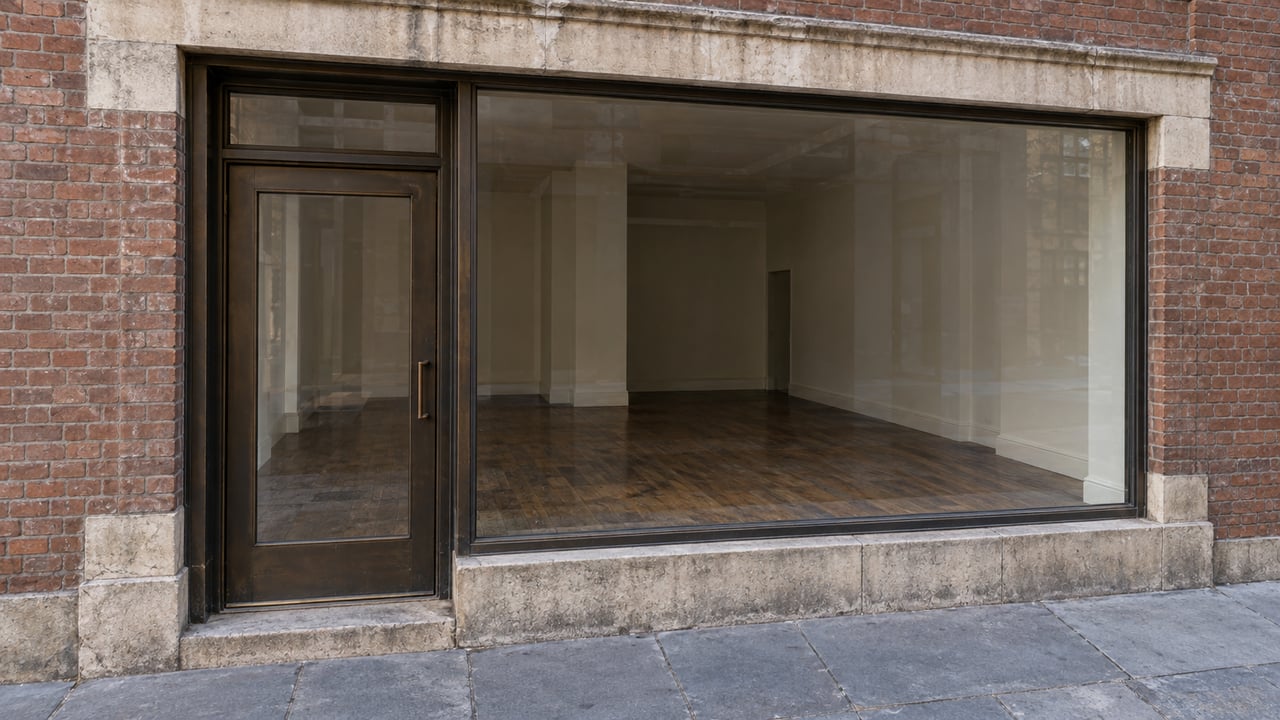
In practical terms, that can mean grabbing coffee, picking up a few basics, meeting a friend, and heading to the park without needing to travel far. The neighborhood feels commercial, but not in a big-box way. Much of its rhythm comes from local storefronts and smaller businesses woven into residential blocks.
That is part of the appeal for many Manhattan buyers and renters. Instead of feeling separated into residential zones and retail zones, the West Village often feels like a place where home and daily life overlap naturally.
Housing has character and variety
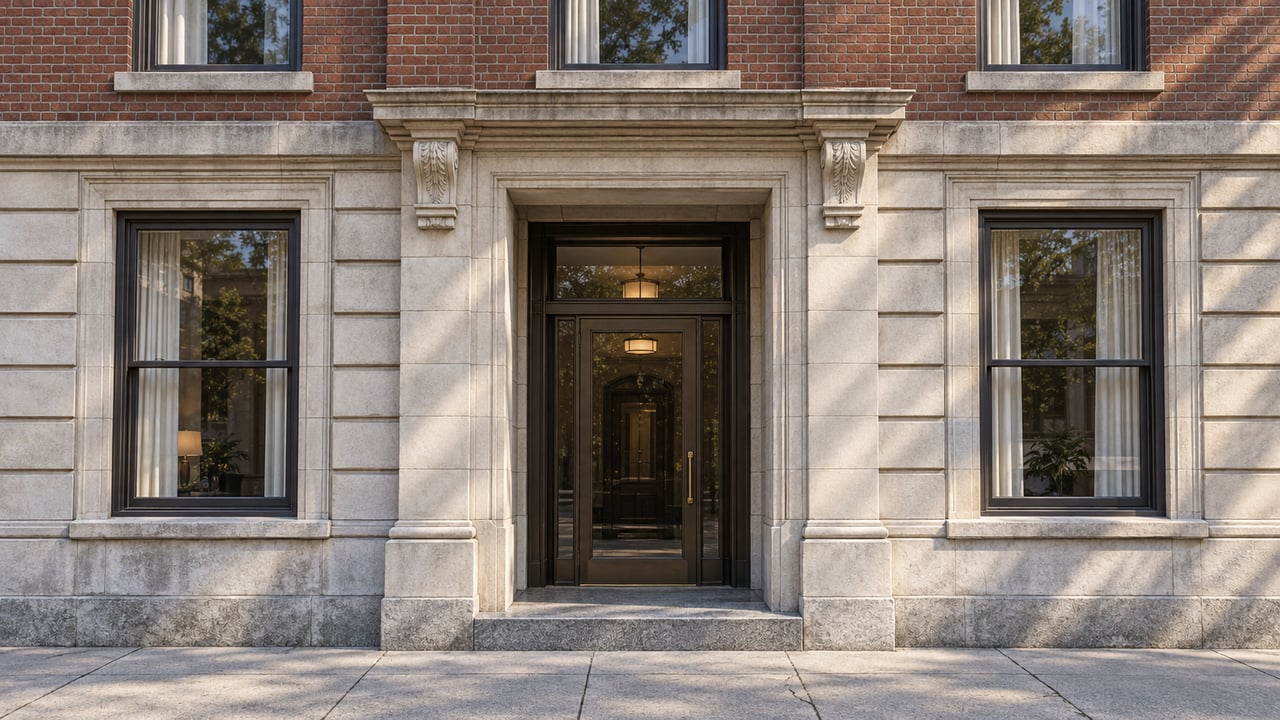
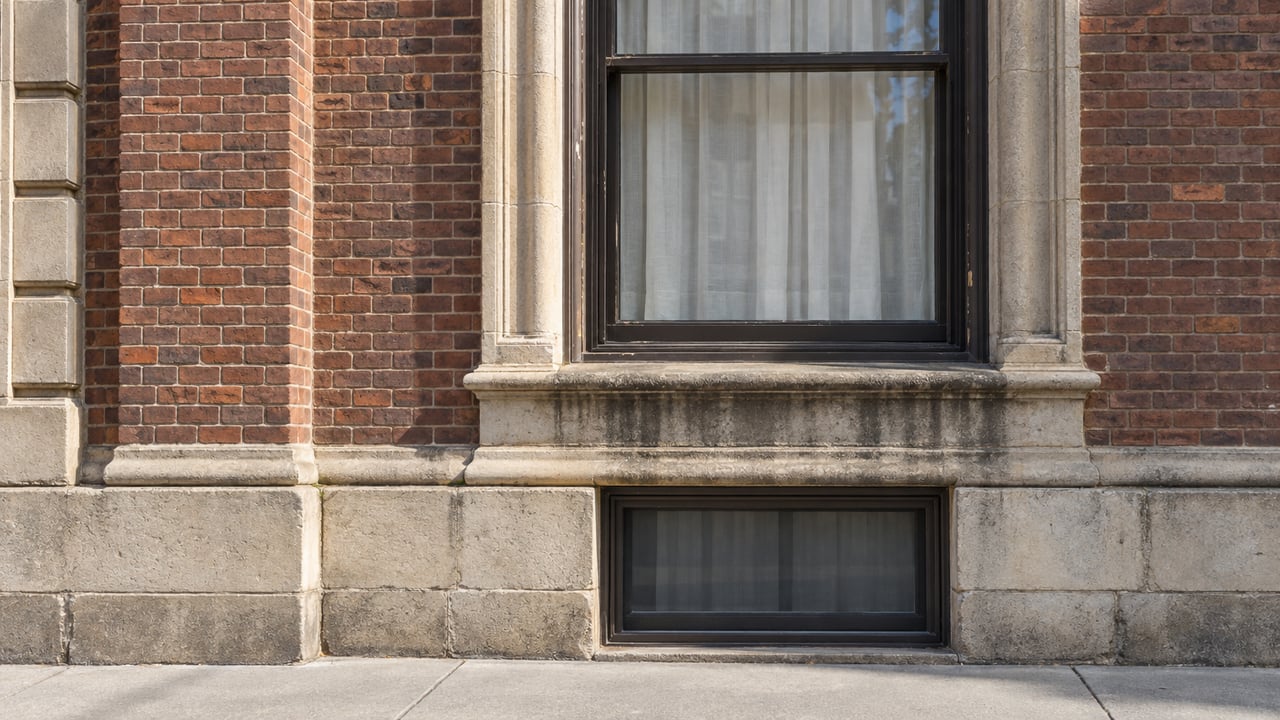
If you are searching for an apartment here, expect variety from block to block. The housing stock includes early row houses, later tenements, apartment buildings, and conversions of older industrial or warehouse structures, especially toward the far West Village.
That mix gives the neighborhood much of its visual charm. It also means there is no single “West Village apartment type.” You may find low-rise walk-ups, historic townhouses, and converted prewar buildings much more often than glassy new towers.
A good example is West Village Houses, a development of 42 low-rise walk-up buildings with 420 units. It reflects a broader reality in the neighborhood: many homes here are embedded in low-rise, older buildings that feel human-scaled and architecturally layered.
What prewar living really feels like
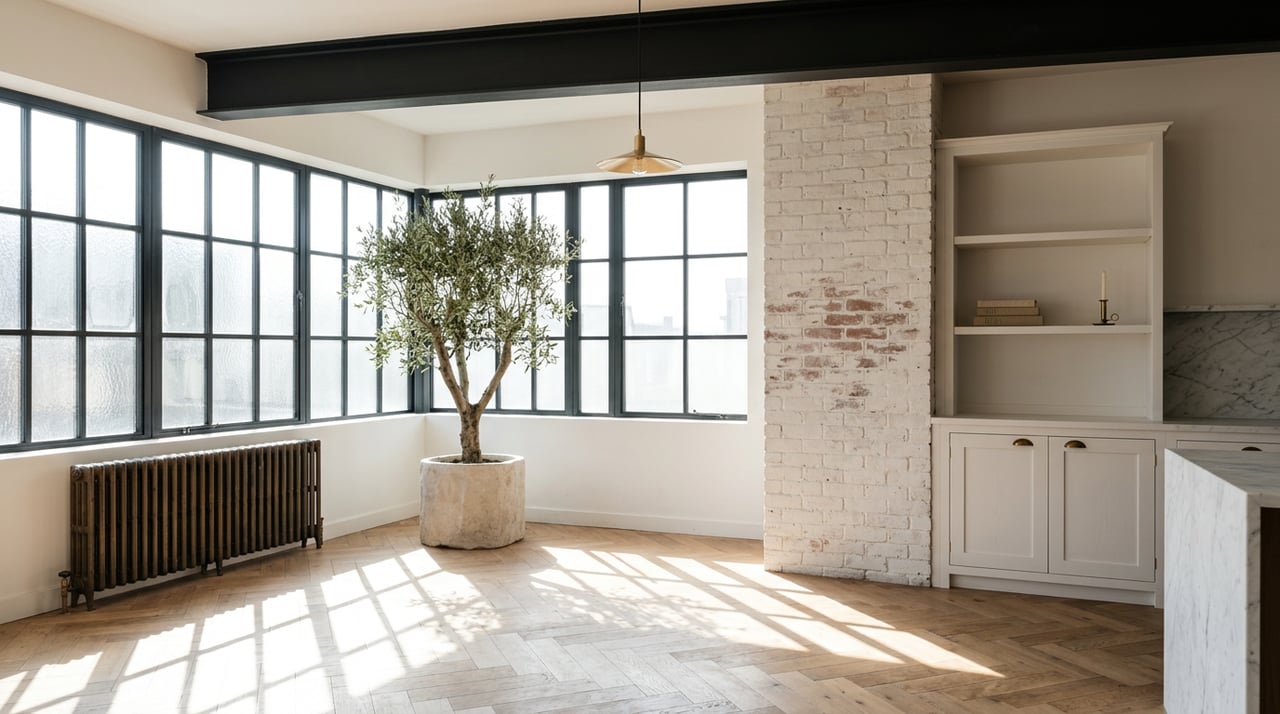
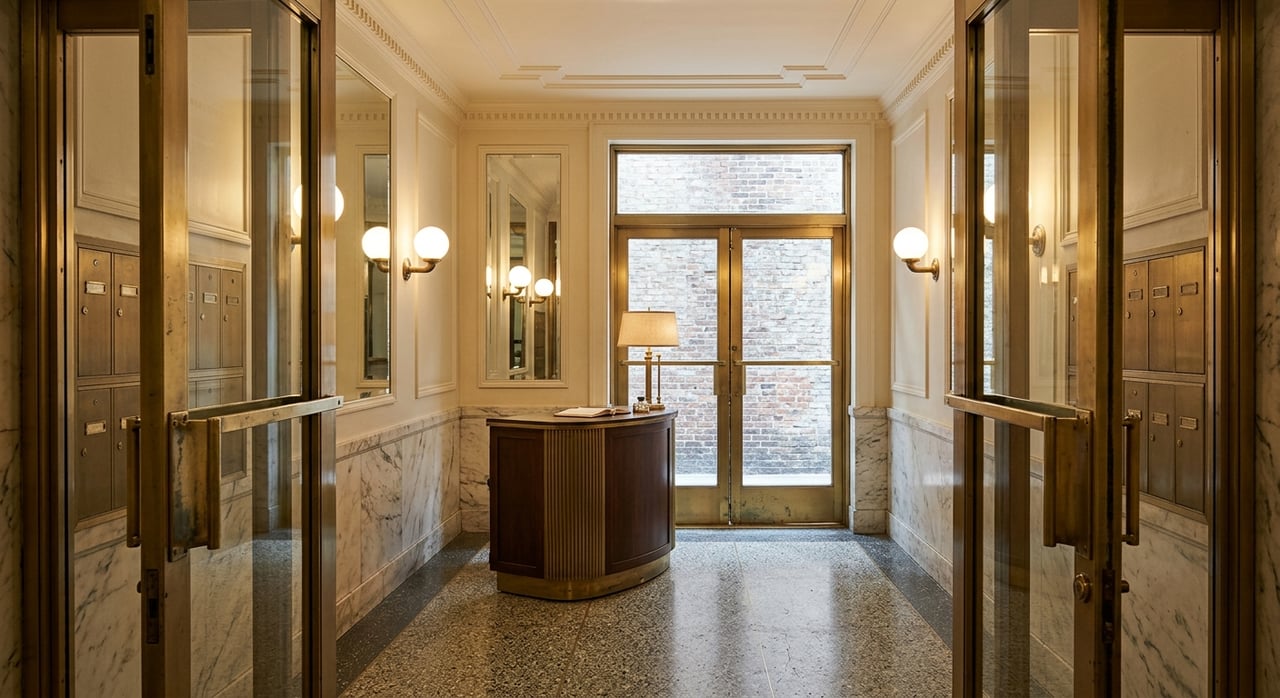
For many people, the West Village dream is tied to prewar apartments. That often means features people love, like high ceilings, thick walls, decorative moldings, and bedrooms that can feel more generous than what you might see in newer layouts.
But prewar charm usually comes with practical compromises. Kitchens may be smaller or more closed off, rooms can have quirky proportions, and floors may not always be perfectly even. Storage and furniture placement often take more planning than buyers expect.
This is one reason neighborhood guidance matters so much in Manhattan. A home can be beautiful and full of character, but your day-to-day comfort still depends on how the layout works for your real life.
Older buildings can mean more process
In New York, many prewar residences are co-ops or rentals rather than condos. In a neighborhood with so much older and landmarked housing, ownership structure and building rules can shape your experience as much as the apartment itself.
That may include board approvals, renovation limits, or added planning before making changes. For some buyers, that is a worthwhile trade for character and location. For others, it may feel more complex than a newer, more standardized building.
Parks are part of the routine
One of the biggest advantages of living in the West Village is how easily you can get outside. Hudson River Park is the neighborhood’s major open-space anchor, stretching four miles along Manhattan’s west side and drawing more than 17 million visits a year.
Within the West Village section, Pier 45 sits at the foot of Christopher Street, while Pier 46 offers a tree-lined retreat associated with Greenwich Village. The nearby upland area adds seating, overlooks, public art, dining, and a dog run, which makes the waterfront feel useful for everyday living, not just weekend visits.
That matters in a neighborhood where many homes are older and not oversized. If your apartment has a compact footprint, easy access to the river can become part of how you create balance in daily life.
Washington Square Park adds another layer
Washington Square Park is also close enough to function as part of everyday neighborhood life for many residents. At 9.75 acres, it offers the arch and fountain, along with dog-friendly areas, restrooms, playgrounds, eateries, and Wi-Fi hotspots.
For some people, this kind of public space is an extension of home. It gives you room to meet friends, read outside, take a walk, or simply spend time outdoors without planning much in advance.
Transit keeps the neighborhood connected
The West Village often feels tucked in, but it is not isolated. Nearby subway access includes the 1 train at Christopher St-Stonewall, the R at 8 St-NYU, and several lines at West 4 St-Washington Sq, with 14 St-Union Sq also nearby and heavily connected.
That mix supports one of the neighborhood’s best lifestyle advantages. You can enjoy a highly walkable, local-feeling area while still staying well connected to the rest of Manhattan and beyond.
For many residents, that is the sweet spot. The neighborhood can feel calm and small-scale on your block, then highly connected the moment you need to cross town, head downtown, or leave the city.
Civic spaces help define the neighborhood
The West Village is not only about cafés, restaurants, and charming streets. It also has long-standing civic anchors that add depth to everyday life, including Jefferson Market Library, a historic branch that has served the community for decades and recently underwent accessibility and infrastructure improvements.
Places like this matter because they give a neighborhood staying power. They help daily life feel grounded in something more than trend or image. In the West Village, that sense of continuity is part of what many people respond to.
The charm comes with tradeoffs
The West Village is easy to romanticize, and for good reason. It offers historic streets, low-rise buildings, local businesses, waterfront access, and a strong sense of place that can feel rare in Manhattan.
Still, the same qualities that make it special can also make it less convenient. Older buildings may come with maintenance needs, outdated plumbing or wiring, smaller bathrooms, limited modern amenities, and renovation constraints in landmarked properties.
There is also a lot of foot traffic. The neighborhood has a strong public identity, and the waterfront in particular draws far more than local residents. In everyday terms, the West Village can feel like both a place you live and a place other people come to experience.
Who tends to love living here
The West Village tends to reward people who enjoy small-scale city living. If you like walking often, living in an older building with personality, and having parks and transit close by, it can be a strong fit.
It may be less ideal if your top priority is large square footage, a uniform new-construction layout, or car-oriented convenience. This is a neighborhood where character often takes priority over efficiency.
That is not a negative. It simply means the best West Village move is usually an informed one. When you understand both the beauty and the compromises, you can decide whether the neighborhood truly fits your version of daily life.
If you are considering a move in Manhattan and want thoughtful guidance on neighborhood fit, prewar buildings, or what day-to-day life really looks like block by block, Rachel Gavrieli can help you navigate the process with clarity and care.
FAQs
What does everyday life in the West Village feel like?
- Everyday life in the West Village often feels walkable, local, and layered with history, with daily routines shaped by small businesses, older residential blocks, parks, and easy transit access.
What kinds of homes are common in the West Village?
- The West Village includes historic row houses, low-rise walk-ups, tenements, apartment buildings, and converted prewar or former industrial buildings, so housing styles can vary a lot from block to block.
What are common features of West Village prewar apartments?
- West Village prewar apartments often have high ceilings, thick walls, moldings, and character-rich layouts, but they may also have smaller kitchens, quirky room shapes, uneven floors, and less efficient storage.
How convenient is West Village transit for daily commuting?
- West Village transit is strong, with access to the 1 train at Christopher St-Stonewall, the R at 8 St-NYU, and multiple lines at West 4 St-Washington Sq, plus nearby connections through 14 St-Union Sq.
What parks are near the West Village for everyday use?
- Hudson River Park and Washington Square Park are two major nearby open spaces, offering waterfront paths, seating, dog-friendly areas, public gathering space, and room to get outside close to home.
What are the tradeoffs of living in the West Village?
- Common tradeoffs include smaller apartments, older building systems, fewer modern amenities, possible renovation limits in landmarked properties, and heavier foot traffic in a neighborhood that attracts many visitors.