If you are renting your first East Village apartment, the search can feel exciting and overwhelming at the same time. This is a neighborhood where location, building type, and street conditions can change your day-to-day experience fast, sometimes from one block to the next. With rents high and inventory often compact, it helps to know what to expect before you start touring. Let’s dive in.
What First-Time Renters Should Know
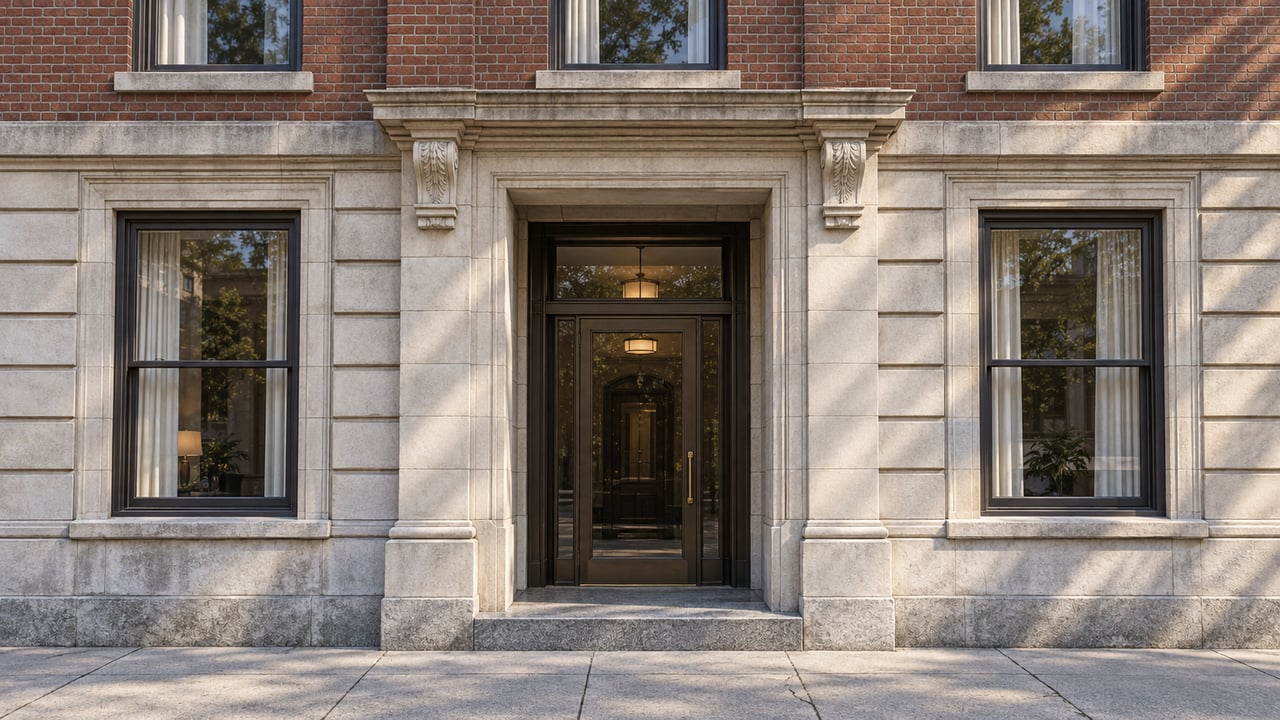
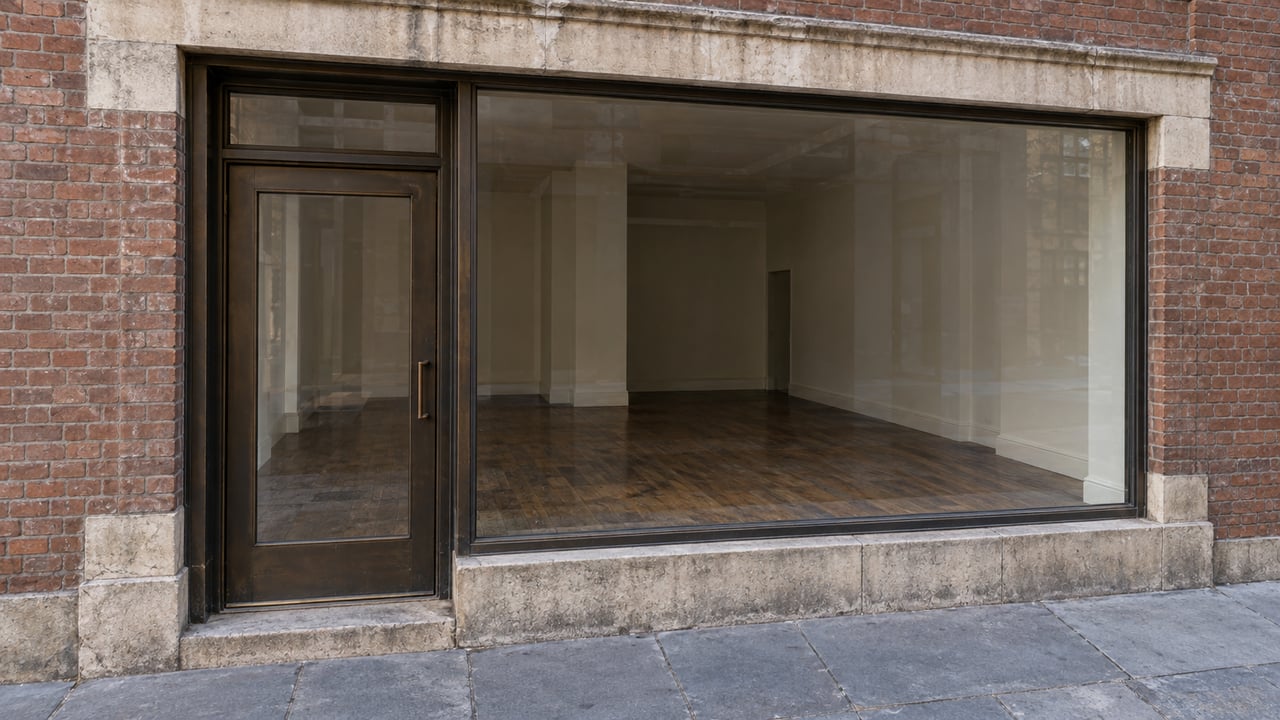
The East Village is still one of Manhattan’s most recognizable rental neighborhoods, but it does not usually offer a uniform apartment experience. NYC Planning describes it as a medium-density, mixed-use neighborhood, and that helps explain why inventory can feel very block by block.
You will often see older pre-war walk-ups, smaller layouts, and plenty of variation in light, noise, and condition. StreetEasy’s 2026 neighborhood watch report put the median asking rent in the East Village at $4,650, up 13.4% year over year, so it is especially important to know your priorities before you begin.
Expect Older Buildings and Smaller Layouts
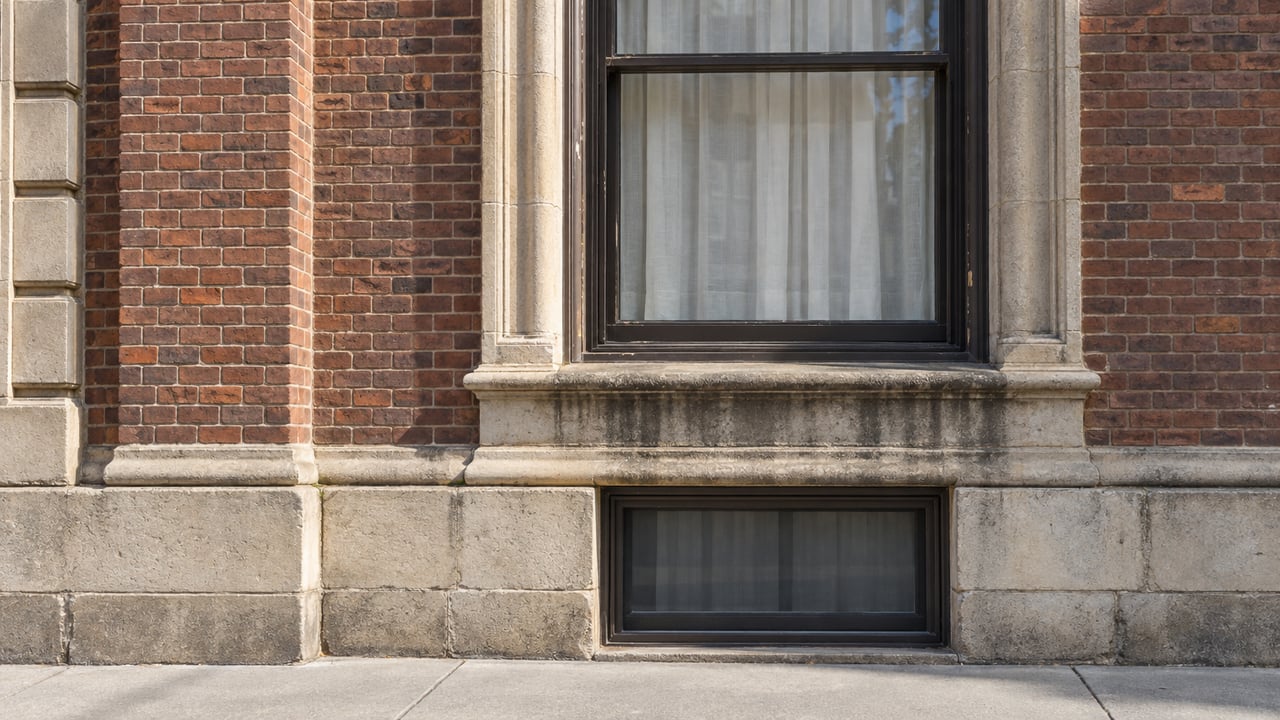
A big part of East Village living is the housing stock itself. NYC Planning’s East Village and Lower East Side resiliency report says the area is dominated by multifamily building types such as mid-rise walk-ups, often historically built before the 1929 Multiple Dwelling Law.
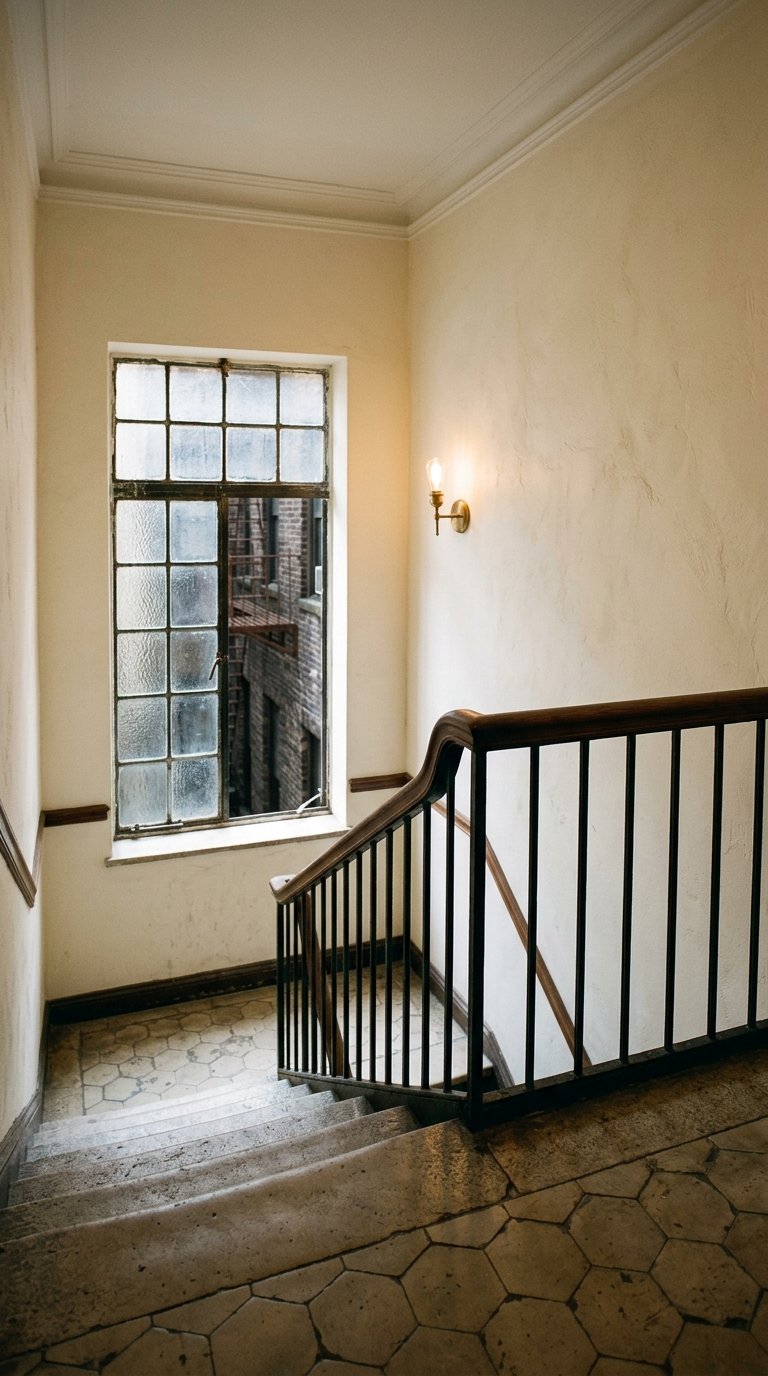
In practical terms, that often means stairs, tighter layouts, and more apartment-to-apartment differences than you might find in newer rental buildings. Studios and one-bedrooms are especially common, while larger units and brand-new towers are less typical.
That does not mean you cannot find a great apartment. It does mean you may need to trade size or finishes for location, character, or access to the neighborhood’s restaurants, shops, and music venues.
Build Your Budget Around Real Costs
Before you start booking tours, set a realistic monthly number and think through your move-in costs. In New York City, application and move-in rules are more standardized than many first-time renters expect.
According to NYC HPD, credit and background check fees may not exceed $20. Security deposits may not exceed one month’s rent, and key money is illegal.
That means your upfront costs will often include:
- First month’s rent
- A security deposit capped at one month’s rent
- An application fee up to $20
- A broker fee only if you explicitly hired that broker
Under current NYC rules, landlords and their agents must disclose all tenant fees. Under the FARE Act, a landlord-hired broker cannot charge you a fee, so it is smart to clarify the broker relationship at the very start.
Get Your Paperwork Ready Early
In a fast-moving Manhattan rental market, preparation matters. HPD advises renters to bring a current credit report, a favorable prior landlord letter if possible, and references from employers, coworkers, and friends.
A typical NYC rental application may also include:
- An employment verification letter
- Three recent pay stubs
- Three recent bank statements
- A federal tax return with W-2 or 1099
- Two photo IDs
- Proof of past rent payments, if requested
- Guarantor paperwork, if needed
Many housing providers still look for income around 40 times the monthly rent. If you are newly employed, an employment letter may sometimes help support your application, and some renters may need a guarantor.
Know What to Check on Every Tour
In the East Village, the apartment itself is only part of the story. The building, the street, and even the apartment’s position inside the building can shape your experience just as much as the floor plan.
When you tour, focus on a few practical details that first-time renters often overlook.
Check Noise at Different Times
The East Village has a lively mixed-use character, so noise levels can vary widely. The city’s Noise Code recognizes issues tied to nightlife establishments, commercial music, vehicles, horns, and construction, which gives you a sense of how many moving parts can affect a block.
If noise matters to you, try to visit on both weekdays and weekends, and if possible at more than one time of day. A front-facing apartment on a busy avenue or active restaurant corridor may feel very different from a rear-facing or courtyard-facing unit.
Look Closely at Light
Natural light can be hard to judge in listing photos. In older tenement-style buildings, daylight may be limited by building depth, narrow courts, or neighboring walls.
As you tour, pay attention to window size, direction, and what sits outside the windows. Also note whether common areas feel maintained and well lit, since landlords are responsible for good lighting in common areas and for keeping the building safe and well kept.
Count the Stairs Honestly
Walk-ups are a core East Village housing type. NYC Planning describes these buildings as generally six stories or under, and that matters more than many first-time renters expect.
Think about grocery runs, laundry, move-in day, visitors, and your normal routine. If stairs are a dealbreaker, do not assume every listing has an elevator. In this neighborhood, elevators are often the exception rather than the rule.
Notice Condition, Not Just Style
Because older walk-ups dominate the neighborhood, some apartments may show cosmetic wear or older finishes even when rent is high. That is not unusual in the East Village.
Look past staging or photos and ask yourself what actually affects daily life. Windows, storage, layout flow, bathroom condition, kitchen function, and building upkeep often matter more than trendy finishes.
Follow a Smart First-Time Rental Process
The easiest way to reduce stress is to follow a simple, organized process. NYC HPD notes that brokers are a common way to find apartments in New York City, and that if you already know your target neighborhood, it is usually best to work with a broker based there.
A practical East Village rental process looks like this:
- Set your priorities first. Decide what matters most to you: location, bedroom count, budget, light, noise, elevator access, or building condition.
- Prepare your application package early. Have your IDs, income proof, bank statements, references, and guarantor documents ready before touring.
- Tour with intention. Pay attention to noise, light, stair count, and the overall feel of the block.
- Move quickly when a fit appears. NYC rentals can move fast, and prepared renters are in a better position to apply right away.
- Review fees and lease terms carefully. Make sure fees are disclosed and lawful before you sign.
This kind of preparation is especially helpful in a neighborhood where inventory can be appealing but imperfect. A clear plan helps you compare listings based on real-life fit, not just first impressions.
Understand Rent-Stabilization Basics
Some East Village apartments may be rent stabilized, and that can affect your rights as a tenant. The NYC Tenant Support Unit says rent stabilization is most often found in buildings with six or more units built before 1974.
If an apartment is rent stabilized, tenants may have renewal rights and limited annual rent increases. For leases starting between October 1, 2025 and September 30, 2026, current guideline rates are 3% for a one-year lease and 4.5% for a two-year lease.
If you are unsure whether a unit is stabilized, check the lease and ask about the apartment’s status. Tenants can also request rent history from HCR.
Know Your Rights as You Apply
First-time renters often worry that they will miss something important in the process. Knowing a few basic city rules can help you move forward with more confidence.
NYC and New York State prohibit source-of-income discrimination, including discrimination against renters who use lawful subsidies such as Section 8. Owners, managers, brokers, and other representatives cannot deny you housing simply because of that lawful income source.
You also have the right to fee disclosure. If a fee appears during the application process, it should be clearly explained so you understand what you are paying and why.
Why Local Guidance Can Help
In a neighborhood like the East Village, experience matters because the details matter. One building may feel quiet and bright, while the next one feels dark, noisy, or harder to manage as a walk-up.
That is where thoughtful local guidance can save you time. A neighborhood-focused broker can help you narrow the search, spot red flags early, and move quickly when the right apartment becomes available.
For first-time renters especially, that kind of support can make the process feel less rushed and far more manageable. If you want calm, experienced help navigating your East Village rental search, Rachel Gavrieli offers hands-on Manhattan guidance tailored to your goals.
FAQs
What is the median asking rent for an East Village apartment?
- StreetEasy’s 2026 neighborhood watch report put the East Village median asking rent at $4,650.
What documents do first-time East Village renters usually need?
- Common documents include photo ID, income verification, recent pay stubs, bank statements, a credit report, tax documents, references, and guarantor paperwork if required.
What fees can a New York City landlord charge a renter?
- NYC HPD says credit and background check fees may not exceed $20, security deposits may not exceed one month’s rent, and key money is illegal.
What should renters check during an East Village apartment tour?
- Focus on noise, natural light, stair count, apartment condition, and how the block feels at different times of day.
How can a renter tell if an East Village apartment is rent stabilized?
- Check the lease for rent-stabilization language or request the apartment’s rent history from HCR if the status is unclear.
Can a renter using Section 8 apply for an East Village apartment?
- Yes. NYC and New York State prohibit source-of-income discrimination, including discrimination based on lawful subsidies such as Section 8.