If you love the idea of stepping outside and being in the center of everything, Midtown Manhattan can feel hard to beat. But living here is not the same as visiting for work, a show, or dinner, and that difference matters when you are choosing your next home. If you are wondering whether Midtown is the right fit for your lifestyle, this guide will help you weigh the convenience, the housing mix, and the day-to-day trade-offs. Let’s dive in.
What Midtown really feels like
Midtown is best understood as a dense, transit-rich central district, not one uniform residential neighborhood. Manhattan Community Board 5 describes it as the heart of Manhattan, roughly stretching from Lexington Avenue to Eighth Avenue and from 14th Street to 59th Street. That broad footprint helps explain why living in Midtown can feel very different from one block to the next.
It is also worth knowing that Midtown still has a relatively small residential base compared with its commercial role. In the 2020 census profile for Community District 5, there were 63,600 residents and 42,323 housing units, with 78.5% occupied. In plain terms, this is still a place where offices, retail, entertainment, and transit shape the daily rhythm.
For many people, that is exactly the appeal. You are choosing centrality, energy, and access over a quieter, more traditionally residential feel.
Midtown housing is not one-size-fits-all
East Midtown has a tower-heavy feel
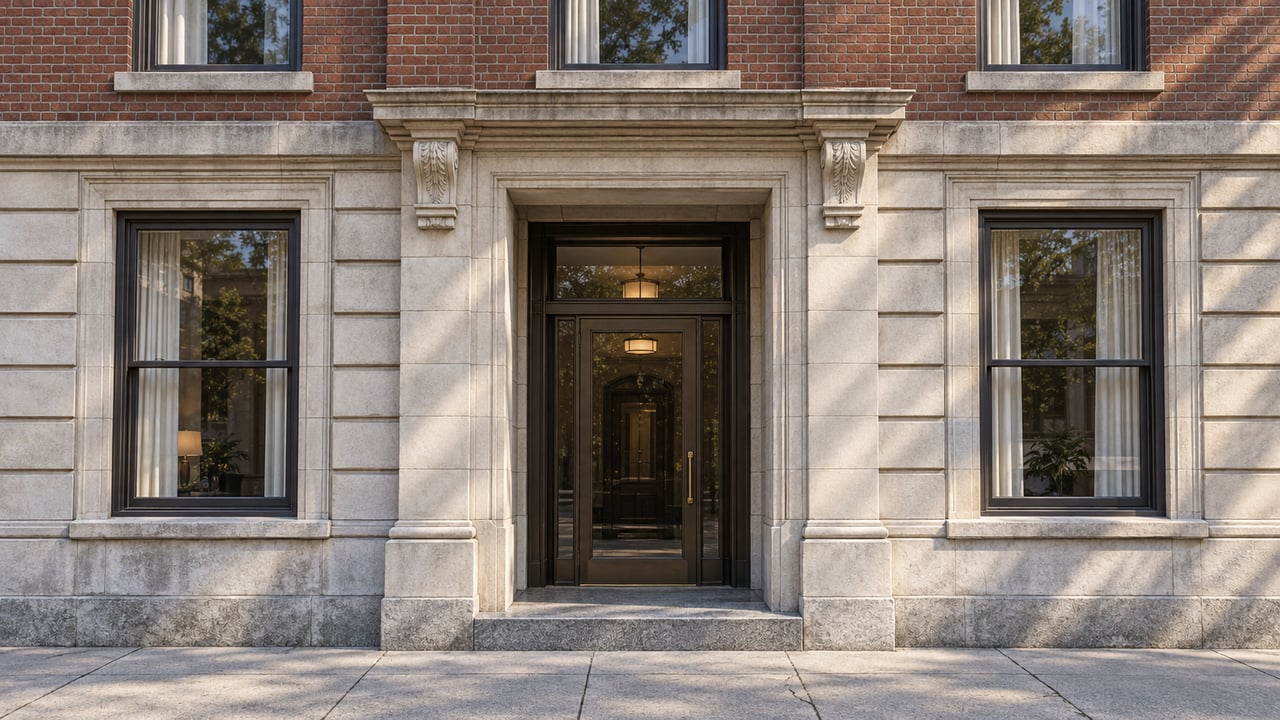
East Midtown is known for tall buildings and a strong commercial presence. City planning documents describe the area as predominantly mid-rise and high-rise commercial buildings with ground-floor retail, along with some smaller residential buildings on side streets that transition toward more residential areas to the east.
That means your housing search here may include homes in large buildings, often in a setting where office towers and busy avenues are part of everyday life. If you want a sleek, central location with easy access to major transit and business hubs, that can be a strong match.
Midtown South adds loft-style potential
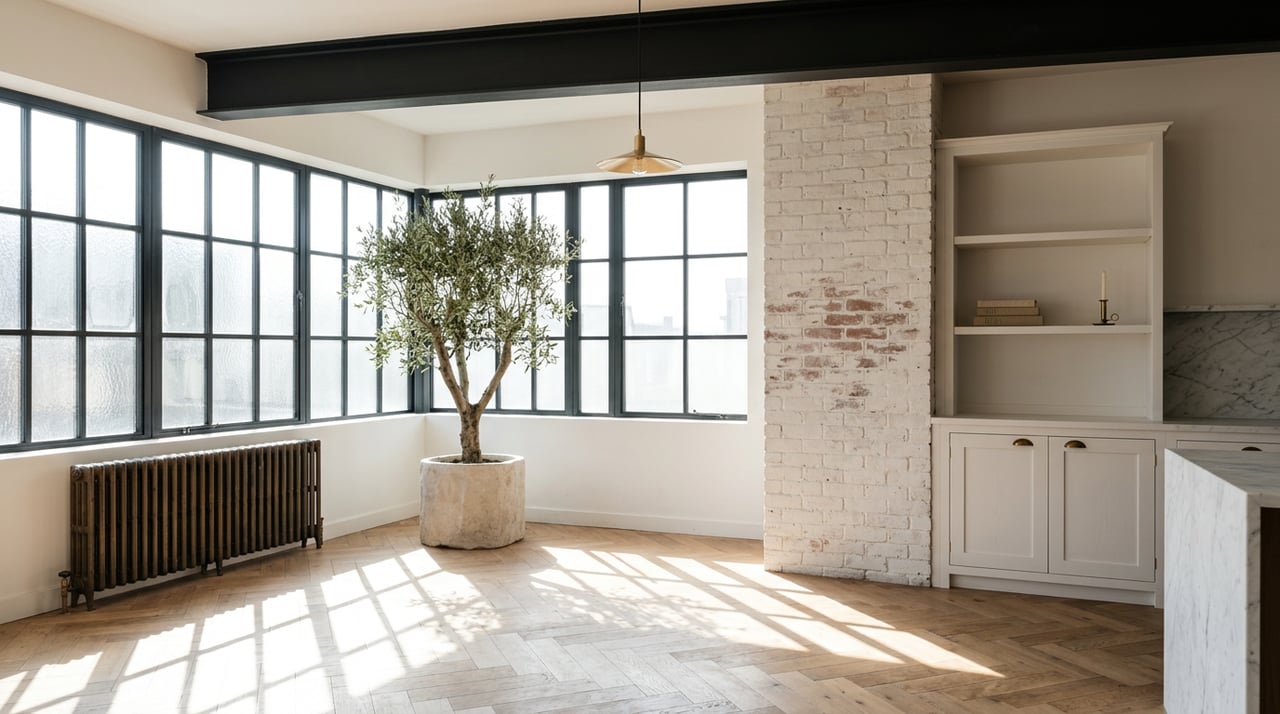
Midtown South offers a somewhat different character. City planning materials say new housing there is expected to reflect the area’s loft-like character, with street walls and base heights that relate to surrounding buildings.
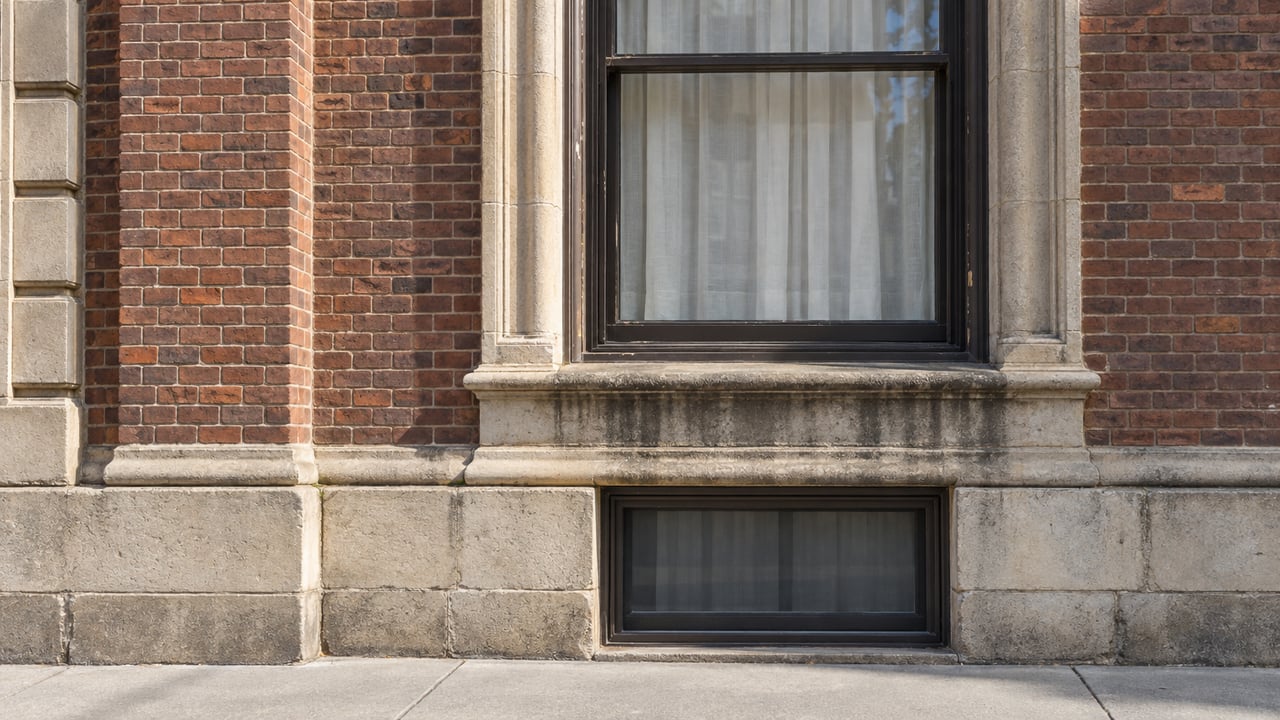
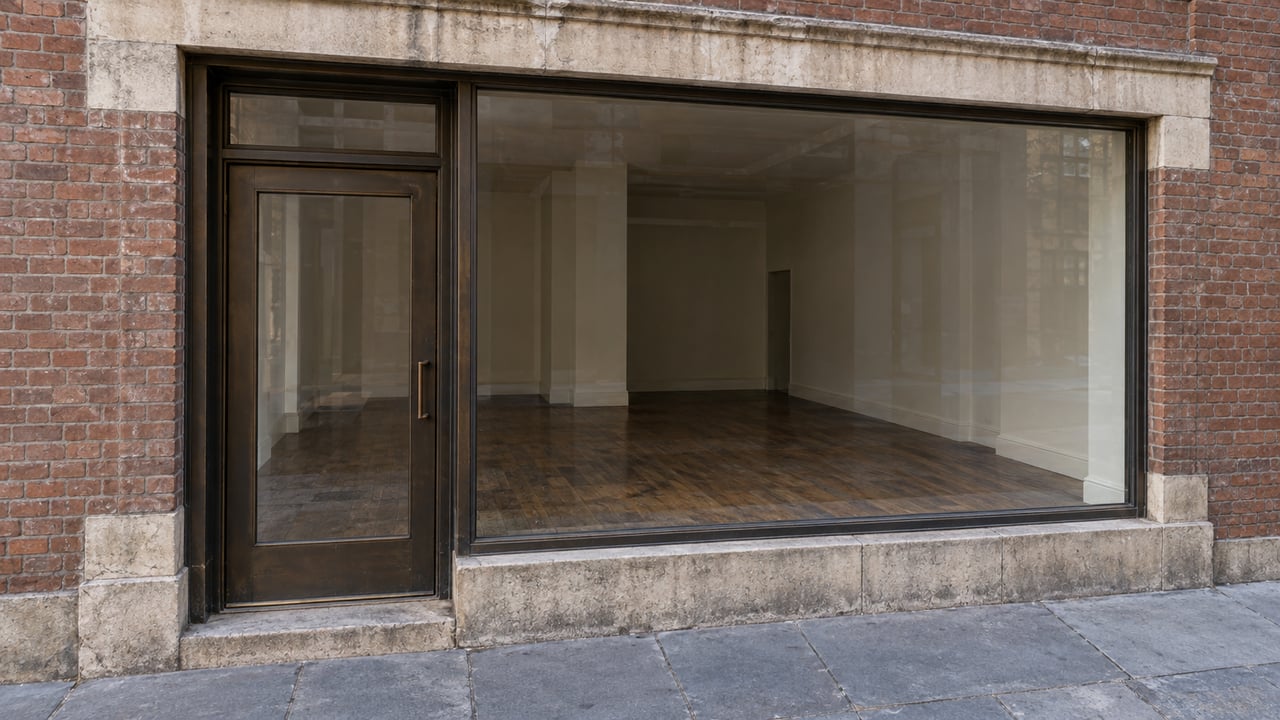
The city also expects much of that future development to come from underused sites or conversions rather than broad demolition. That matters if you are drawn to buildings with a slightly more industrial or early 20th-century feel, especially in pockets where the streetscape reads differently from the tower corridors farther north and east.
Midtown works best as a group of pockets
One of the biggest mistakes buyers and renters make is treating Midtown like a single neighborhood. It is more accurate to think of it as a set of micro-areas and edge zones, with nearby transitions toward Chelsea, Clinton, Turtle Bay, Murray Hill, Kips Bay, and Sutton Place.
That is why block-by-block guidance matters here. Two homes with the same price point can offer very different experiences depending on the exact street, building type, and proximity to transit hubs or commercial corridors.
Transit is Midtown’s biggest advantage
If your top priority is getting around the city quickly, Midtown stands out. Community Board 5 identifies Times Square, Grand Central, Herald Square, and Penn Station as major hubs within the district, and city planning materials describe Midtown South as exceptionally well connected to public transit and jobs.
Grand Central Terminal alone offers Metro-North service, Long Island Rail Road service through Grand Central Madison, subway connections at 42 St-Grand Central, and bus service. The MTA has also improved connectivity between Times Square-42 St and 42 St-Bryant Park with a free in-system transfer and accessibility upgrades, while 34 St-Penn Station has also seen modernization.
For many people, this is the main reason to live here. Midtown can make commuting simpler, regional travel easier, and daily logistics more efficient.
Culture and convenience are built in
Living in Midtown means having major destinations close to home. Community Board 5 notes that the district includes the Broadway Theater District, Radio City, Carnegie Hall, Rockefeller Center, and a wide mix of hotels, entertainment, and shopping.
Bryant Park is another major draw. The park reports more than 12 million annual visitors and offers free daily amenities, cultural programming, and winter skating. If you want an easy option for outdoor time in the middle of a busy part of Manhattan, that can be a meaningful plus.
Midtown also places you near major cultural institutions and dining destinations. MoMA’s main location is on West 53rd Street, and Rockefeller Center continues to serve as a major shopping and dining hub with a range of restaurant options. If you enjoy being able to meet friends for dinner, catch a performance, or spend a spontaneous afternoon at a museum without much planning, Midtown supports that lifestyle well.
The trade-offs to think through
Midtown can feel busy all the time
The same density that makes Midtown convenient can also make it intense. Planning documents for East Midtown describe heavy pedestrian activity, congestion near subway entrances, and a landscape dominated by commercial buildings.
That means noise, crowds, and constant movement may be part of your normal routine. Some people find that energizing. Others decide they want a home environment that feels more removed from the city’s fastest pace.
The residential feel may be limited
Midtown is the city’s central business district, and that identity shapes the experience of living there. You may find great apartments, strong building services, and unmatched transit access, but you may not get the quieter, lower-scale atmosphere that some buyers and renters picture when they imagine long-term neighborhood living.
This does not make Midtown better or worse. It simply means the right fit depends on what matters most to you.
Why Midtown may grow as a residential option
One of the most important long-term storylines is Midtown South’s housing pipeline. According to the city’s June 2025 FAQ, the area has only about 2,300 homes today, but the adopted plan is expected to add roughly 9,500 to 9,700 new homes, including about 2,800 to 2,900 affordable units, across 42 blocks.
The plan was adopted on August 14, 2025, and city materials say it will also bring more than $470 million in neighborhood investment along with a more pedestrian-friendly Broadway corridor. That signals a broader shift toward a more mixed-use, around-the-clock district.
For future buyers, renters, and owners, that could mean a wider range of residential choices over time. It could also make Midtown South especially worth watching if you are interested in a part of Manhattan that is actively evolving.
Who Midtown suits best
Midtown may be a strong fit if you want:
- Fast access to multiple subway lines and regional rail
- A shorter or simpler commute
- Immediate proximity to dining, culture, and entertainment
- A central Manhattan location that supports a busy schedule
- Building options that range from large towers to loft-influenced pockets
Midtown may be less appealing if you want:
- A calm, low-rise streetscape
- A more traditional neighborhood atmosphere
- Less pedestrian traffic and tourist activity
- A home setting that feels more residential than commercial
How to evaluate Midtown like a local
If you are seriously considering Midtown, it helps to go beyond the headline appeal. Focus on the exact pocket, building type, and your daily routine.
Ask yourself practical questions such as:
- Which transit hub would you actually use most often?
- Do you want to be near Grand Central, Penn Station, Bryant Park, or farther from the busiest corridors?
- Does the building feel like a true retreat once you are inside?
- Are you comfortable with the street activity at different times of day?
- Do you want a current home, or are you betting on an area with future residential growth?
In Manhattan, small geographic shifts can change the feel of home dramatically. Midtown is a perfect example of that.
The bottom line on Midtown living
Midtown Manhattan can be a smart choice if your version of home includes immediacy, efficiency, and access to the best of the city. It offers one of the strongest transit networks in New York, a deep bench of cultural destinations, and an increasingly important residential story, especially in Midtown South.
At the same time, Midtown is still shaped by its role as a business and visitor district. If you are looking for a quieter, more classic neighborhood atmosphere, you may want to compare it carefully with other parts of Manhattan before making a move.
The key is not asking whether Midtown is good or bad. It is asking whether Midtown fits the way you actually want to live. If you want thoughtful guidance on comparing Midtown with other Manhattan neighborhoods, Rachel Gavrieli offers clear, hands-on advice tailored to your goals.
FAQs
Is Midtown Manhattan a true residential neighborhood?
- Midtown is better understood as a central district with residential pockets rather than one uniform residential neighborhood, and its commercial and transit role still shapes daily life.
What makes Midtown Manhattan appealing for buyers and renters?
- Midtown’s biggest advantages are exceptional transit access, central location, and close proximity to dining, culture, entertainment, and major job centers.
What is the housing mix like in Midtown Manhattan?
- Midtown includes a mix of tower-heavy areas, loft-like stretches, and smaller transitional residential streets, so housing options can vary a lot by micro-location.
Is Midtown Manhattan quiet enough for full-time living?
- Midtown can be loud and busy because of heavy pedestrian activity, commercial density, tourism, and congestion near major subway entrances.
What is happening with future housing in Midtown South?
- The city’s adopted Midtown South plan is expected to add roughly 9,500 to 9,700 new homes, including about 2,800 to 2,900 affordable units, which could expand residential options over time.
How should you decide if Midtown Manhattan is right for your next home?
- The best approach is to compare specific blocks, building types, and commute patterns so you can judge whether Midtown’s convenience and energy match your day-to-day lifestyle.