If you have ever dreamed of stepping out your door and being minutes from a concert, a park stroll, and a quick subway ride downtown, Lincoln Square is worth a close look. This pocket of the Upper West Side offers a rare mix of culture, convenience, and residential variety, but living well here depends on more than just choosing the right neighborhood name. If you are thinking about buying or renting in Lincoln Square, this guide will help you understand what daily life really feels like and what to watch for as you compare buildings and blocks. Let’s dive in.
Why Lincoln Square Stands Out
Lincoln Square is centered on Lincoln Center and the Special Lincoln Square District on the Upper West Side. The area is closely tied to one of New York City’s most recognized cultural campuses, with Lincoln Center located between West 62nd and 65th Streets and Columbus and Amsterdam Avenues.
What makes this neighborhood special is how much of your lifestyle can happen within a short walk. You are not just near a few performance venues. You are living next to an active arts campus, major transit, dining destinations, and the south end of Central Park.
StreetEasy describes Lincoln Square as the center of dance, theater, and opera in Manhattan. It also notes that the neighborhood blends classic prewar Upper West Side architecture with modern residential towers, which helps explain why the area appeals to a wide range of buyers and renters.
Living by Lincoln Center
For many people, the biggest draw is simple: Lincoln Center becomes part of your everyday routine. Its resident organizations include the Metropolitan Opera, New York City Ballet, New York Philharmonic, Jazz at Lincoln Center, Lincoln Center Theater, Juilliard, and Film at Lincoln Center.
That concentration of arts and performance creates a neighborhood rhythm that feels different from many other parts of Manhattan. Instead of planning your entire evening around getting across town, you may be able to walk to a concert, film screening, ballet, talk, or outdoor event.
Lincoln Center also presents hundreds of programs each year, mostly free or Choose-What-You-Pay. Its public plazas cover 3.8 acres and are open from 8 a.m. to midnight, which adds to the sense that this is not just a destination for visitors, but a public-facing part of neighborhood life.
What this means day to day
Living near Lincoln Center can make your routine feel more connected to the city’s cultural life. A weekday evening might include a quick dinner nearby, time in the plaza, or a last-minute performance without much planning.
At the same time, this activity level can shape the feel of nearby blocks. Buildings closest to Lincoln Center and Columbus Circle tend to sit in a more active pedestrian environment, while side streets and some park-adjacent locations can feel calmer.
Central Park Is Close By
Another major reason people look at Lincoln Square is easy access to Central Park. Columbus Circle marks the southwest corner entrance to the park at 59th Street, and the Conservancy identifies it as the park’s most popular entrance.
For residents, that means the south end of Central Park is right nearby for running, walking, sitting outdoors, or taking a break from the pace of the city. If daily access to green space matters to you, Lincoln Square offers a strong balance between urban energy and outdoor breathing room.
This location can be especially appealing if you want both worlds. You can be near major arts institutions and still have one of the city’s most iconic open spaces just a short walk away.
Dining and Errands Are Easy
Lincoln Square works well for people who value convenience. Lincoln Center itself has dining and grab-and-go options, and nearby Columbus Circle expands the neighborhood’s choices even more.
The Shops at Columbus Circle includes more than 10 restaurants and bars, along with a 59,000-square-foot Whole Foods and a 40,000-square-foot Equinox. For everyday life, that means groceries, fitness, casual dining, and special-occasion restaurants are all nearby.
If you are comparing Manhattan neighborhoods, that walkability matters. You can handle errands, meals, and entertainment without needing a car, which is one reason the area continues to attract buyers and renters looking for an efficient city lifestyle.
Transit in Lincoln Square
Transit is one of the neighborhood’s strongest practical advantages. According to Lincoln Center, the nearest accessible subway stations are West 66th Street on the 1 train and 59th Street-Columbus Circle on the A, B, C, D, or 1 trains.
Several bus lines also stop within one block of the campus. For you, that can mean easier commuting, more flexibility when getting around Manhattan, and less dependence on rideshares or taxis.
Why transit matters when choosing a block
Not every Lincoln Square address feels the same in practice. If you want to be as close as possible to subway access, Columbus Circle or buildings near the 66th Street station may stand out.
If you care more about a quieter residential feel, you may prefer a side street or a building a bit farther from the busiest corners. In Lincoln Square, a few blocks can make a real difference in how your day-to-day experience feels.
What Homes in Lincoln Square Look Like
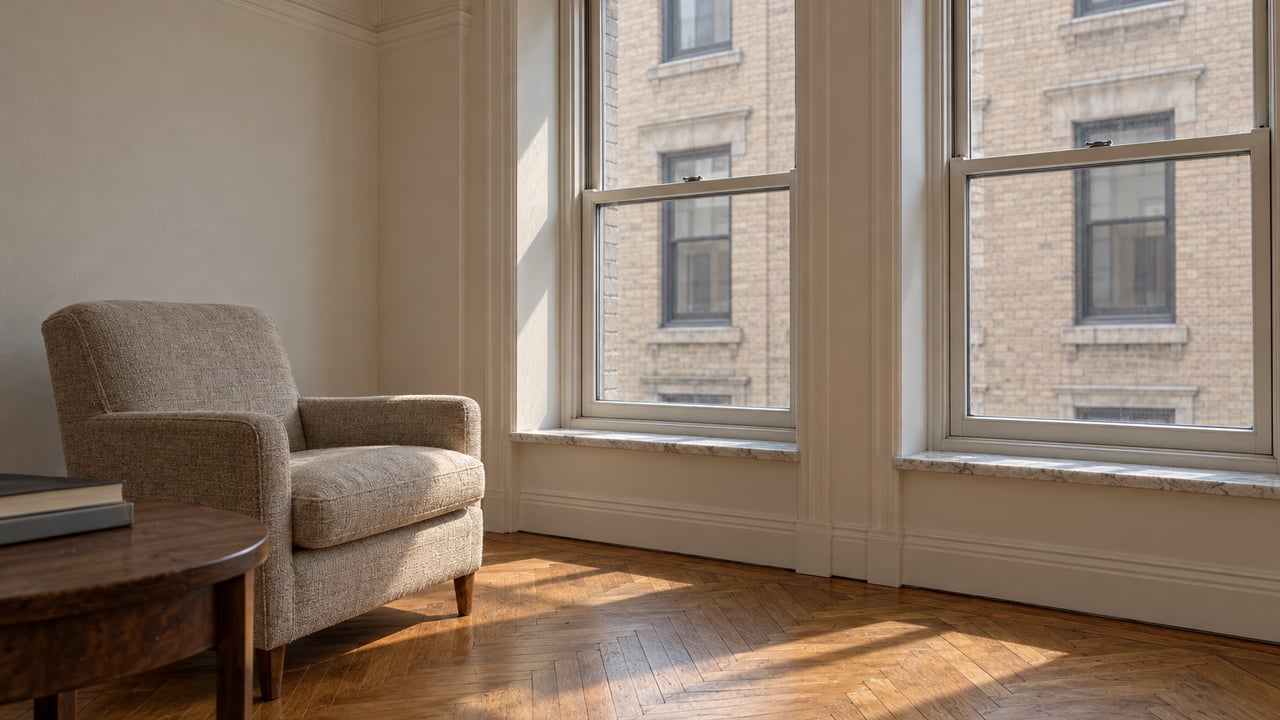
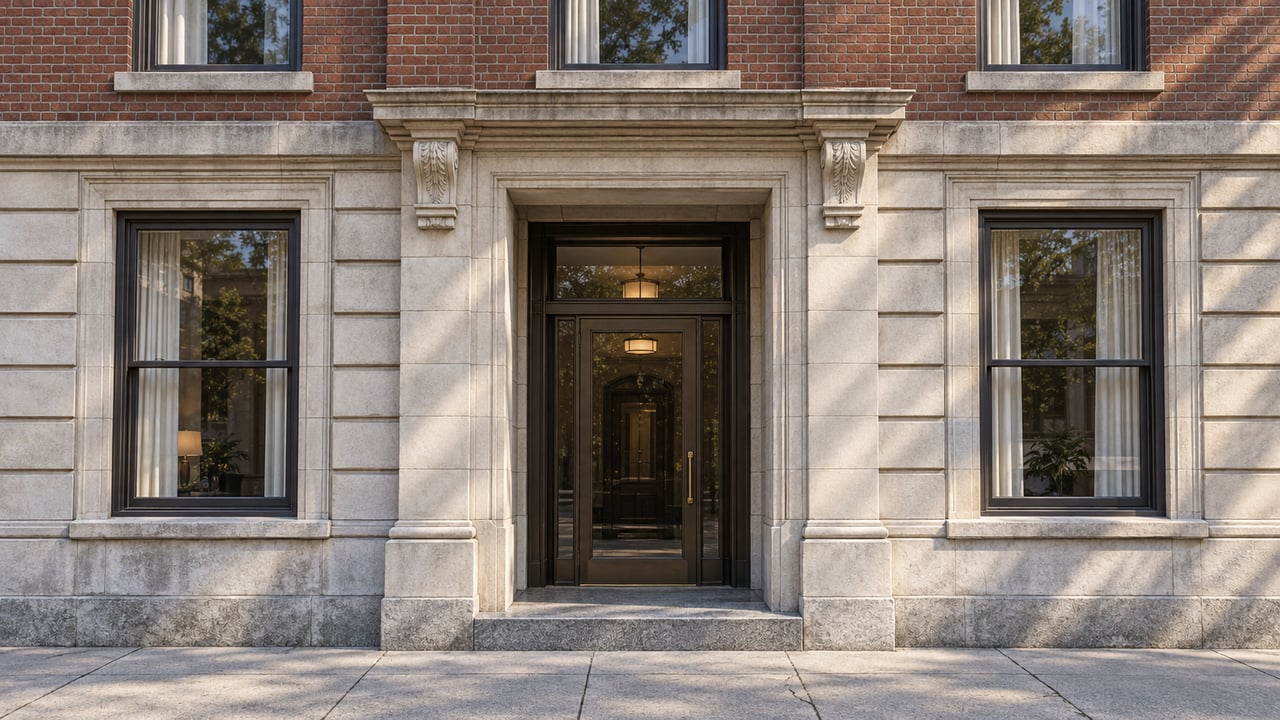
One of the most important things to know about Lincoln Square is that it is not a one-building-type neighborhood. The housing stock includes prewar co-ops, postwar buildings, midcentury towers, newer condos, and some condops.
StreetEasy’s local inventory highlights that range clearly. Co-op options include buildings dating to 1905, 1924, 1930, and the 1960s, while condo inventory includes newer and newly developed residences such as buildings on West 68th Street, Central Park West, and West 59th Street.
That mix gives buyers and renters more choice, but it also means you need to compare more than finishes and floor plans. Building type, rules, approvals, and long-term flexibility all matter.
Co-ops vs. condos in Lincoln Square
For many Manhattan buyers, this is one of the biggest decision points.
- Co-ops often come with more restrictive rules and require board approval.
- Condos usually offer more flexibility and fewer approval hurdles.
- Newer condos may also offer more amenities.
- Condos often cost more and can have higher closing costs.
In Lincoln Square, that choice can shape both your buying process and your long-term ownership experience. The right fit depends on your budget, timeline, comfort with building rules, and plans for the future.
Why Block and Building Matter Here
Lincoln Square is one of those Manhattan neighborhoods where the exact address matters a great deal. Being near Lincoln Center, Columbus Circle, and Central Park sounds appealing, but each location comes with a slightly different daily feel.
Some buildings put you in the center of neighborhood activity, with easy access to arts programming, restaurants, and transit. Others offer a more private residential experience, even while staying close to the same neighborhood amenities.
That is why a thoughtful search here should look at details such as:
- Noise exposure
- Views and light
- Building rules
- Board approval process
- Renovation potential
- Resale flexibility
- How the block feels at different times of day
In a neighborhood with this much variety, convenience and livability depend heavily on the exact building you choose.
What Buyers Should Know
If you are buying in Lincoln Square, it helps to approach the search with both lifestyle and process in mind. The neighborhood’s median sale price is about $1.3 million, according to StreetEasy, so many buyers want to be especially careful about long-term fit and value.
A beautiful apartment in the wrong building for your needs can create frustration later. You may love a prewar co-op’s character, for example, but feel less comfortable with a more involved approval process or stricter building rules.
A newer condo may offer easier ownership logistics and modern amenities, but it may come at a higher price point. The best choice usually comes down to how you want to live, not just what looks best on paper.
What Renters Should Know
Lincoln Square is also a strong option for renters who want an Upper West Side lifestyle near culture, transit, and the park. StreetEasy lists the neighborhood’s median base rent at about $5,350, which reflects its status as one of Manhattan’s more expensive neighborhoods.
For renters, the value often comes from what you can access on foot. If your ideal routine includes nearby groceries, fitness, subway access, restaurants, and world-class arts programming, Lincoln Square can deliver a lot of convenience in a compact area.
As with buyers, building choice matters. A rental near the busiest corridors may feel very different from one on a quieter block, so it is worth thinking through your priorities before you decide.
Is Lincoln Square Right for You?
Lincoln Square tends to appeal to people who want a polished, convenient Manhattan lifestyle with culture built into the neighborhood. If you enjoy being able to walk to performances, spend time in Central Park, and move easily around the city, it offers a compelling combination.
It can also be a smart fit if you appreciate architectural variety. The neighborhood gives you access to everything from classic Upper West Side co-op living to more contemporary condo options.
The key is not to think of Lincoln Square as one single experience. It is better understood as a neighborhood where the right block and building can make all the difference.
If you are considering a move to Lincoln Square, having someone who understands building-by-building differences can help you focus on the options that truly fit your lifestyle, budget, and comfort level. If you want thoughtful, hands-on guidance in this part of Manhattan, Rachel Gavrieli can help you navigate the neighborhood with clarity and confidence.
FAQs
How close is Lincoln Square to Lincoln Center?
- Lincoln Center sits within Lincoln Square between West 62nd and 65th Streets and Columbus and Amsterdam Avenues, so many nearby homes are just a short walk away.
How close is Lincoln Square to Central Park?
- Lincoln Square is very close to the south end of Central Park, with Columbus Circle at 59th Street serving as the park’s southwest entrance.
What types of buildings are common in Lincoln Square?
- Lincoln Square includes a mix of prewar co-ops, postwar and midcentury buildings, newer condos, and some condops.
Is Lincoln Square noisy for apartment living?
- The blocks closest to Lincoln Center and Columbus Circle tend to be more active, while side streets and some park-facing buildings can feel calmer.
Is Lincoln Square good for car-free living?
- Yes. The neighborhood offers strong subway and bus access, walkable dining, grocery options, and easy access to major cultural destinations.
What should buyers compare in Lincoln Square buildings?
- Buyers should look closely at building type, approval requirements, rules, noise exposure, renovation potential, and long-term flexibility, not just the apartment itself.