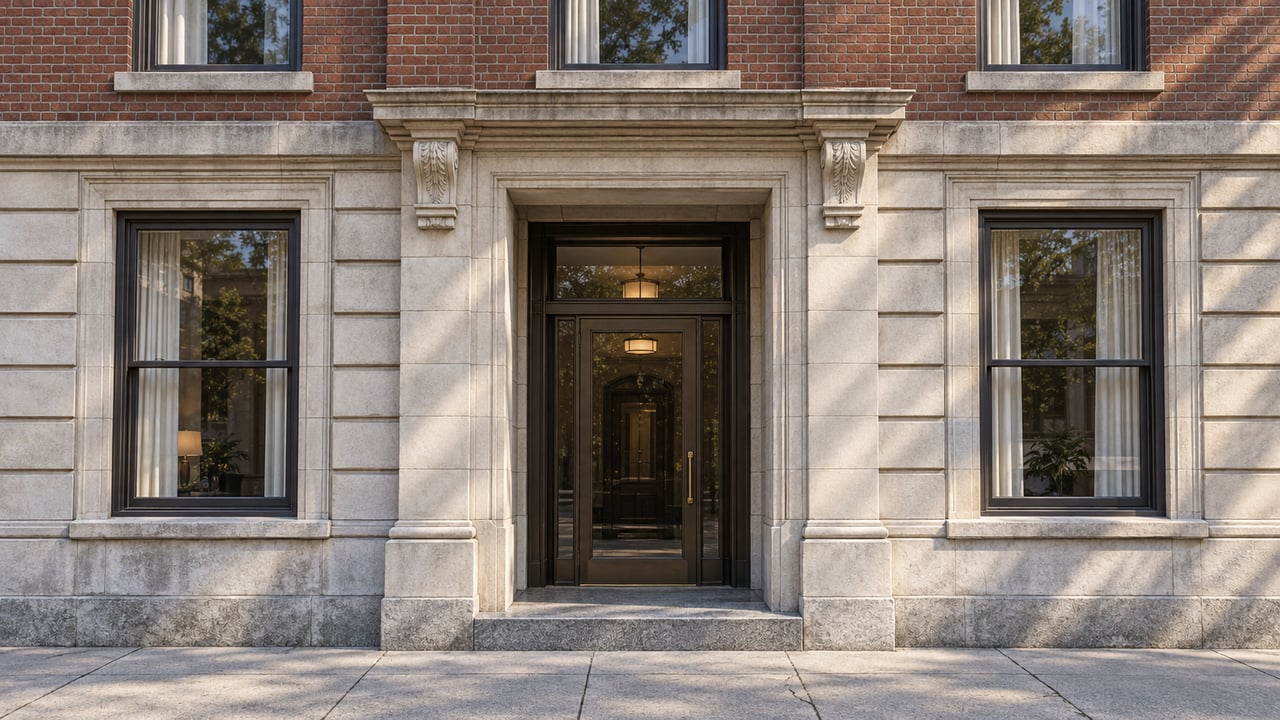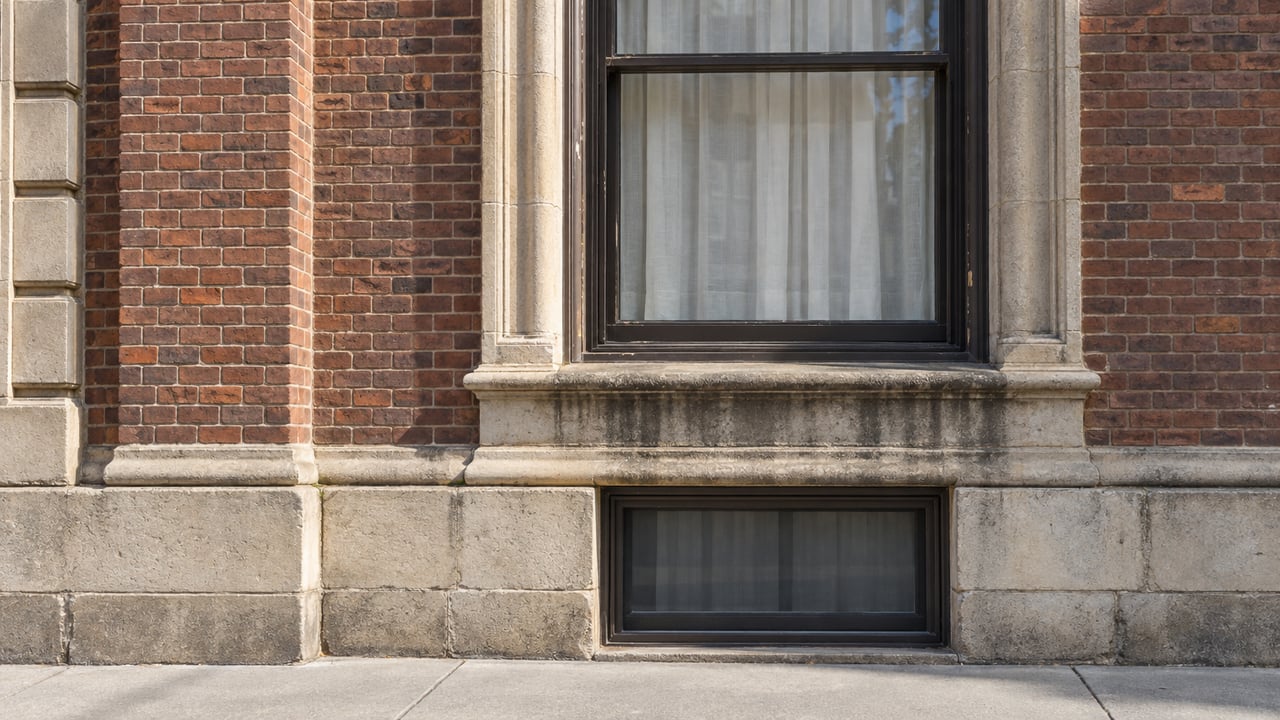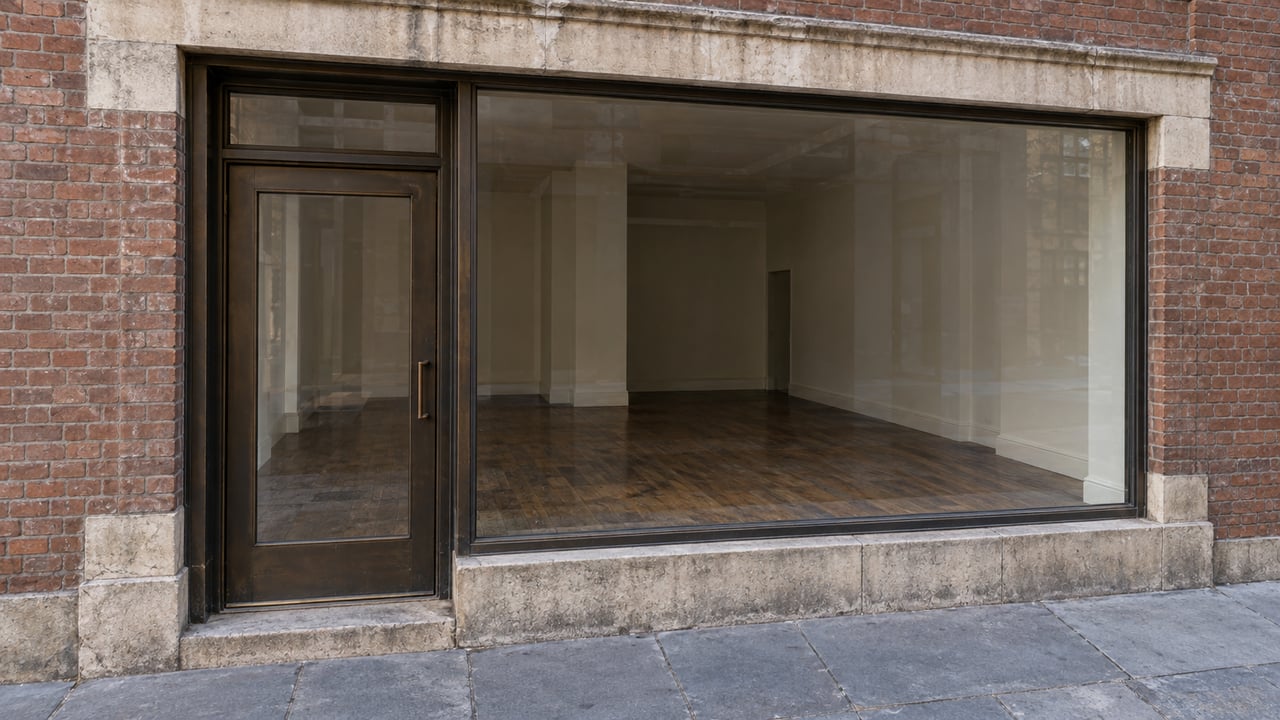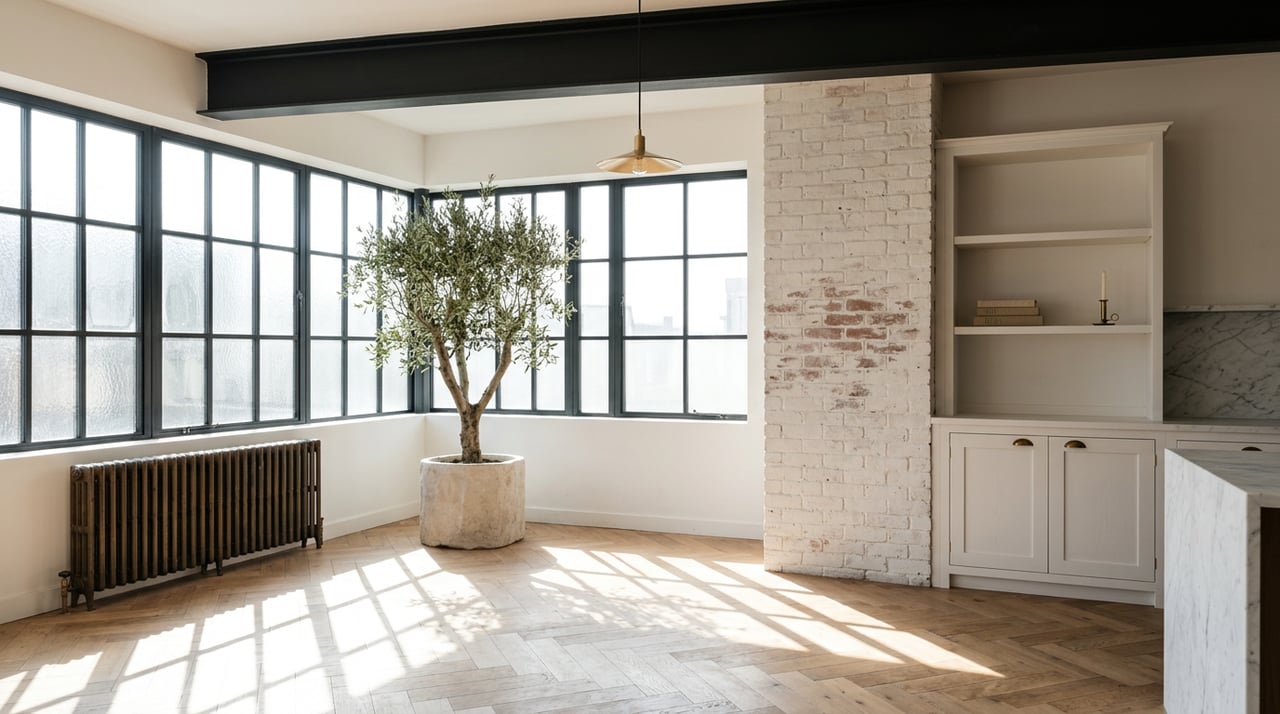
Looking at a charming prewar co-op in Morningside Heights? It is easy to fall for the high ceilings, classic layouts, and architectural detail before you fully understand the building behind the apartment. If you are hoping to buy here, you need more than a pretty listing. You need a clear read on the co-op, the paperwork, and the renovation realities that often come with older Manhattan housing stock. Let’s dive in.
Why Morningside Heights Stands Out
Morningside Heights has a distinct identity within Manhattan. Columbia identifies its campus at 116th Street and Broadway as the geographic center of the neighborhood, and the area is also home to Barnard, Teachers College, Union Theological Seminary, the Jewish Theological Seminary, and the Cathedral of St. John the Divine.
That concentration of major institutions gives the neighborhood an academic and cultural feel that is hard to duplicate elsewhere. For buyers, it also helps explain why the housing stock here feels so established and specific rather than interchangeable.
Why Prewar Buildings Define the Area
Much of Morningside Heights is shaped by early 20th-century residential development. According to the Landmarks Preservation Commission, the Morningside Heights Historic District runs roughly from West 109th to West 119th Streets between Riverside Drive and Amsterdam Avenue and includes about 115 mostly residential buildings.
The same report says that 64% of those buildings were constructed between 1900 and 1910. That matters because when you buy here, you are often buying into a building with real architectural history, but also age-related maintenance needs, unusual layouts, and building-specific quirks.
What a Co-Op Purchase Means in New York
A co-op purchase in New York is different from buying a condo or a house. Instead of receiving a deed to your apartment, you buy shares in the corporation that owns the building, and those shares are tied to a specific unit.
Your ownership also includes a proprietary lease, and your monthly maintenance is generally based on the number of shares assigned to your apartment. That means your decision is not just about the home itself. It is also about the corporation, its finances, and its rules.
Why the Board Matters
In a co-op, the building is governed by a shareholder-elected board of directors. The board is expected to follow the bylaws, proprietary lease, certificate of incorporation, and house rules.
For buyers, that has real day-to-day importance. Board policies can shape renovation approvals, financial expectations, house rules, and the application process you will go through before closing.
Why the Apartment Is Only Part of the Story
With a prewar co-op, the apartment and the building are tightly connected. A beautiful unit in a poorly run or financially strained building can create very different ownership conditions than a similar apartment in a well-managed co-op.
That is why a smart purchase in Morningside Heights should be treated as a building-and-governance decision, not just a layout-and-finish decision. In this neighborhood, the documents often tell you as much as the showing does.
How Pricing Can Vary in Morningside Heights
Recent market snapshots for Morningside Heights show different median numbers depending on the source. StreetEasy lists a $950,000 median sale price, Redfin reports an $842,000 median sale over the last three months, and Realtor.com shows a $730,000 median listing price with homes selling at about 98% of asking.
That spread is useful. It suggests that in a relatively small Manhattan submarket, building quality, apartment condition, line, and overall co-op profile can affect value as much as the neighborhood name itself.
What Due Diligence Should Cover
In a prewar co-op, due diligence is where the real story comes into focus. New York’s Attorney General advises buyers to review the full offering plan and work with an attorney before signing a purchase agreement, especially because resale disclosures may not be fully current about building condition.
For older buildings, the paperwork can reveal issues you may never spot during an open house. It can also confirm that a well-run building has already planned for major capital needs.
Key Documents to Review
Before moving forward, you will usually want to review documents such as:
- The offering plan
- Bylaws
- Proprietary lease
- House rules
- Board minutes
- Financial statements
- Known defect or violation history
These records help you understand how the building operates, what risks may be coming, and whether ownership feels sustainable for your budget and plans.
What Board Minutes Can Reveal
Board minutes and recent financial reports can be especially important in older buildings. According to the Attorney General, they can surface issues such as facade defects, roof and elevator repairs, plumbing upgrades, electrical work, and boiler replacements.
In Morningside Heights, that is especially relevant because so much of the housing stock is prewar. A lovely apartment may still sit inside a building facing expensive infrastructure decisions.
How to Prepare for the Board Process
A co-op board package is not just paperwork. It is your chance to show that you understand the responsibility of buying into a shared building structure.
The Attorney General’s co-op board guidance notes that board members are usually neighbors rather than outside professionals, and that the board acts as a body rather than through individual members. In practical terms, that means a calm, thorough, and well-organized application matters.
What Buyers Should Keep in Mind
When you prepare your application, focus on clarity and completeness. Missing documents, inconsistent information, or a rushed package can create unnecessary friction.
This is one area where hands-on guidance can make a meaningful difference. In Manhattan co-ops, good preparation is often part of getting from accepted offer to smooth closing.
Renovation Questions to Ask Early
Many buyers are drawn to prewar co-ops because they see potential. Maybe you want to redo a kitchen, update baths, improve storage, or rethink the layout.
That potential can be real, but in New York City renovation work often requires more planning than buyers expect. The Department of Buildings says most construction requires a permit, and a New York State Registered Design Professional must file the plans.
When Landmark Rules May Apply
If the building is in the Morningside Heights Historic District, Landmark Preservation Commission review may also be part of the process. LPC says permits are required for exterior changes in historic districts, for projects that affect the exterior even if they are not visible from the street, and for interior work that requires a DOB permit or affects the exterior, such as HVAC louvers and vents.
Ordinary maintenance, like replacing broken glass in kind or repainting in the same color, does not require LPC approval. Still, if your renovation touches exterior elements or major building systems, you should expect more coordination.
How Long Renovation Review Can Take
Not every project moves slowly. LPC says complete Certificate of No Effect applications can often be approved within 10 business days once complete, and some interior work may qualify for expedited review.
That said, buyers should still build in time for building approval, city filings, and possible landmark review. If you are buying a home because you want to personalize it, that timing should be part of your purchase decision from day one.
Can You Combine Apartments?
Some buyers look at adjacent units or future expansion possibilities. Apartment combinations are possible in New York City, but the Department of Buildings treats them as alteration work that must satisfy code and filing requirements.
If you are considering a combination or major layout change, assume you will need building approval and city filings. In a historic district, you may also need LPC review depending on the scope of work.
A Practical Way to Evaluate a Prewar Co-Op
When you tour prewar co-ops in Morningside Heights, try to evaluate each option through three lenses at once:
- The apartment: layout, light, condition, and long-term livability
- The building: finances, maintenance history, rules, and governance
- The project: whether your renovation goals are realistic under building and city requirements
That framework can help you stay grounded when one apartment has charm but weak building fundamentals, and another feels less polished but offers better long-term value.
Why Guidance Matters in This Search
Buying in Morningside Heights can be deeply rewarding, especially if you love classic architecture and want a home with character. But prewar co-ops ask you to think beyond finishes and staging.
You are buying into a corporation, a board structure, an aging physical plant, and sometimes a landmark context all at once. Having patient, experienced guidance can help you ask the right questions early, avoid expensive surprises, and move forward with more confidence.
If you are thinking about buying a prewar co-op in Morningside Heights and want thoughtful, hands-on guidance through the search, due diligence, and board process, connect with Rachel Gavrieli to schedule a consultation.
FAQs
What does buying a co-op in Morningside Heights mean?
- In New York, buying a co-op means you purchase shares in the corporation that owns the building, along with a proprietary lease tied to a specific apartment.
What documents should you review before buying a prewar co-op in Morningside Heights?
- The most important documents usually include the offering plan, bylaws, proprietary lease, house rules, board minutes, financial statements, and any known defect or violation history.
What can board minutes reveal about a Morningside Heights prewar building?
- Board minutes can reveal issues such as facade work, roof and elevator repairs, plumbing upgrades, electrical work, and boiler replacement planning.
Do renovations in Morningside Heights prewar co-ops need permits?
- Many do, because the New York City Department of Buildings says most construction requires a permit and plans filed by a New York State Registered Design Professional.
Can landmark rules affect a prewar co-op renovation in Morningside Heights?
- Yes. If the building is in the Morningside Heights Historic District, exterior changes and some interior work tied to DOB permits or exterior impacts may require LPC review.
Are apartment combinations allowed in Morningside Heights co-ops?
- They can be, but they are treated as alteration work that must meet building approval and New York City code and filing requirements.