If you are thinking about moving to Manhattan, the Upper West Side often comes up for a reason. It offers a rare mix of classic residential streets, major cultural institutions, daily convenience, and access to two of New York City’s best-known parks. Whether you are buying, renting, or simply narrowing down neighborhoods, understanding how the area actually feels day to day can help you decide if it fits your life. Let’s dive in.
Upper West Side at a Glance
The Upper West Side is generally defined by Manhattan Community Board 7 as the area from West 59th and 60th Streets to West 110th Street, between Central Park West and the Hudson River. That wide footprint helps explain why the neighborhood feels both substantial and varied, with residential blocks, busy avenues, cultural destinations, and waterfront access all woven together.
It is also one of Manhattan’s largest and most established residential neighborhoods. According to the NYU Furman Center neighborhood profile, the Upper West Side was New York City’s third largest neighborhood by population in 2023, with a median household income of $155,710, a homeownership rate of 36.0%, and a median rent of $3,000.
Those numbers matter because they point to a neighborhood that is active, lived-in, and not defined by just one type of resident. The same profile shows a mix of household types, including one-person households, households with children under 18, and residents age 65 and older. In practical terms, that means the Upper West Side tends to feel residential at all hours rather than like a district that empties out after work.
Daily Life Feels Urban and Residential
One of the biggest reasons people are drawn to the Upper West Side is the balance it offers. You get the energy of Manhattan, but many blocks still feel calm and residential, especially once you step off the main avenues.
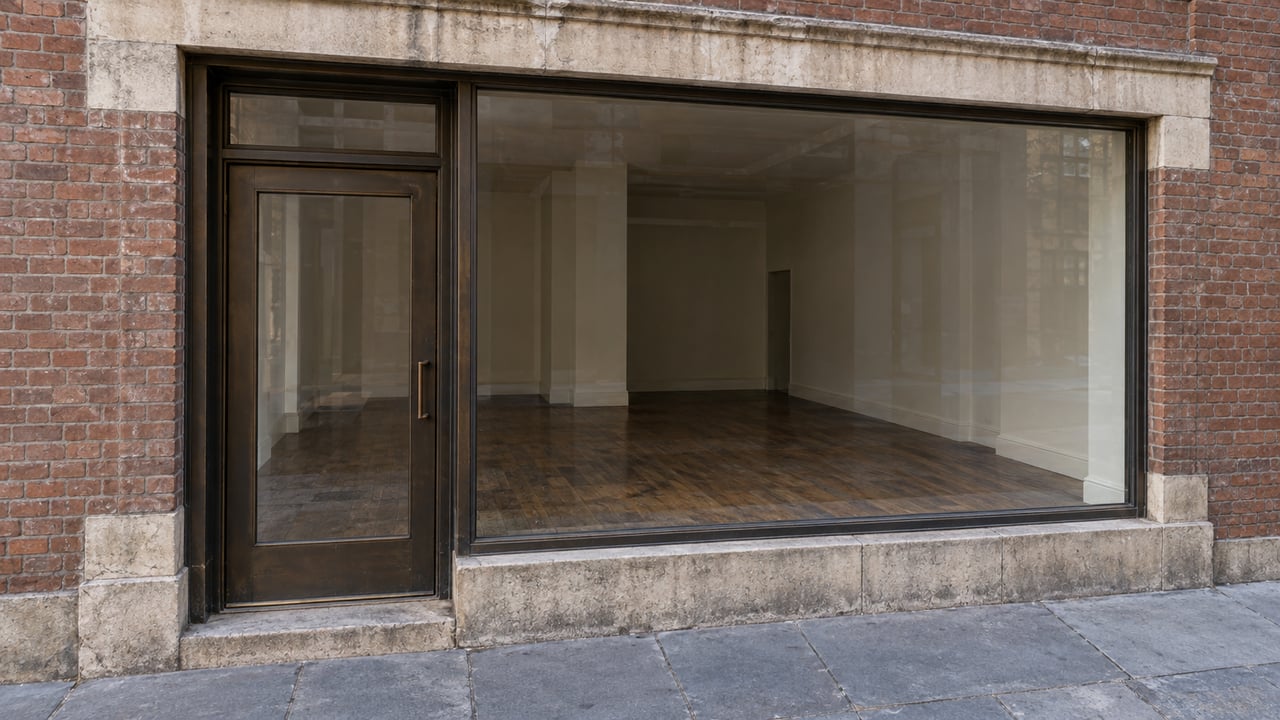
The neighborhood’s rhythm often changes block by block. Along Broadway, Amsterdam Avenue, and Columbus Avenue, you will find much of the area’s retail and service activity. According to the Upper West Side Neighborhood Retail Streets report, these corridors hold much of the neighborhood’s restaurants, pharmacies, laundromats, clothing stores, and other day-to-day businesses.
By contrast, many side streets have little or no commercial space. That creates a pattern many residents love: lively avenues for errands and dining, then quieter residential streets just a short walk away. If you value convenience but still want your home block to feel a bit more settled, this layout is a major plus.
Housing Stock Has Character
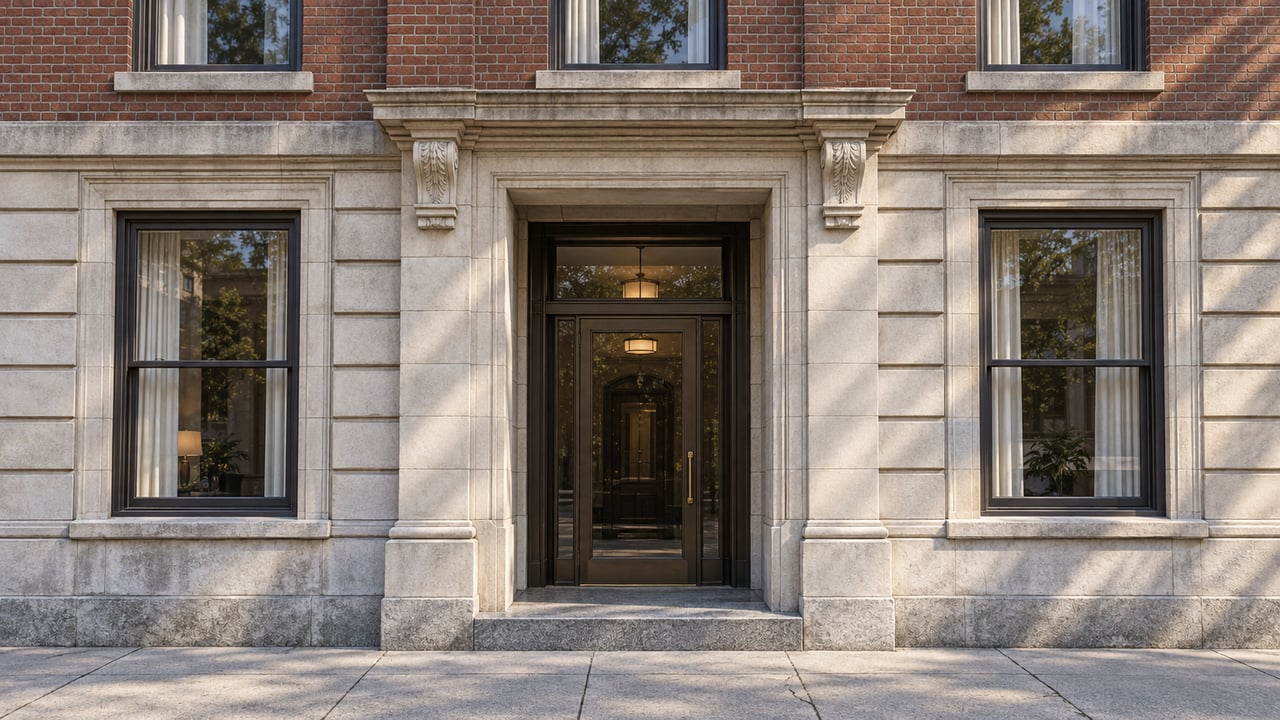
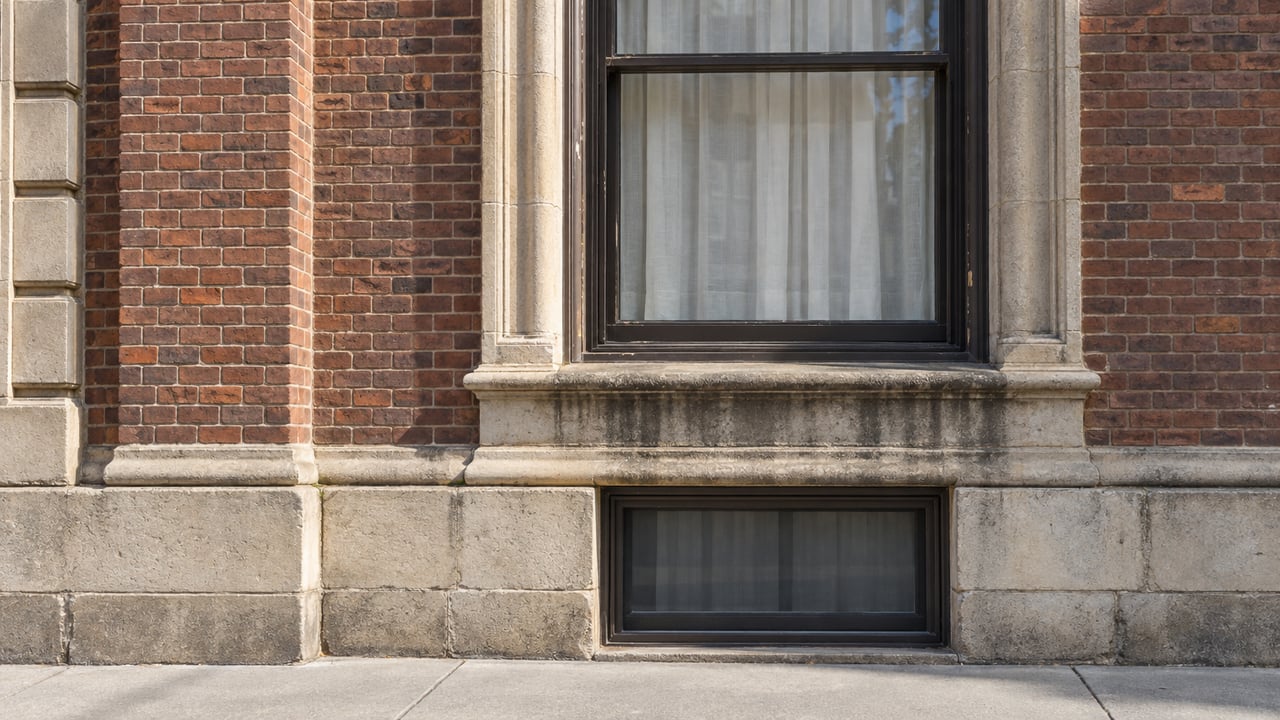
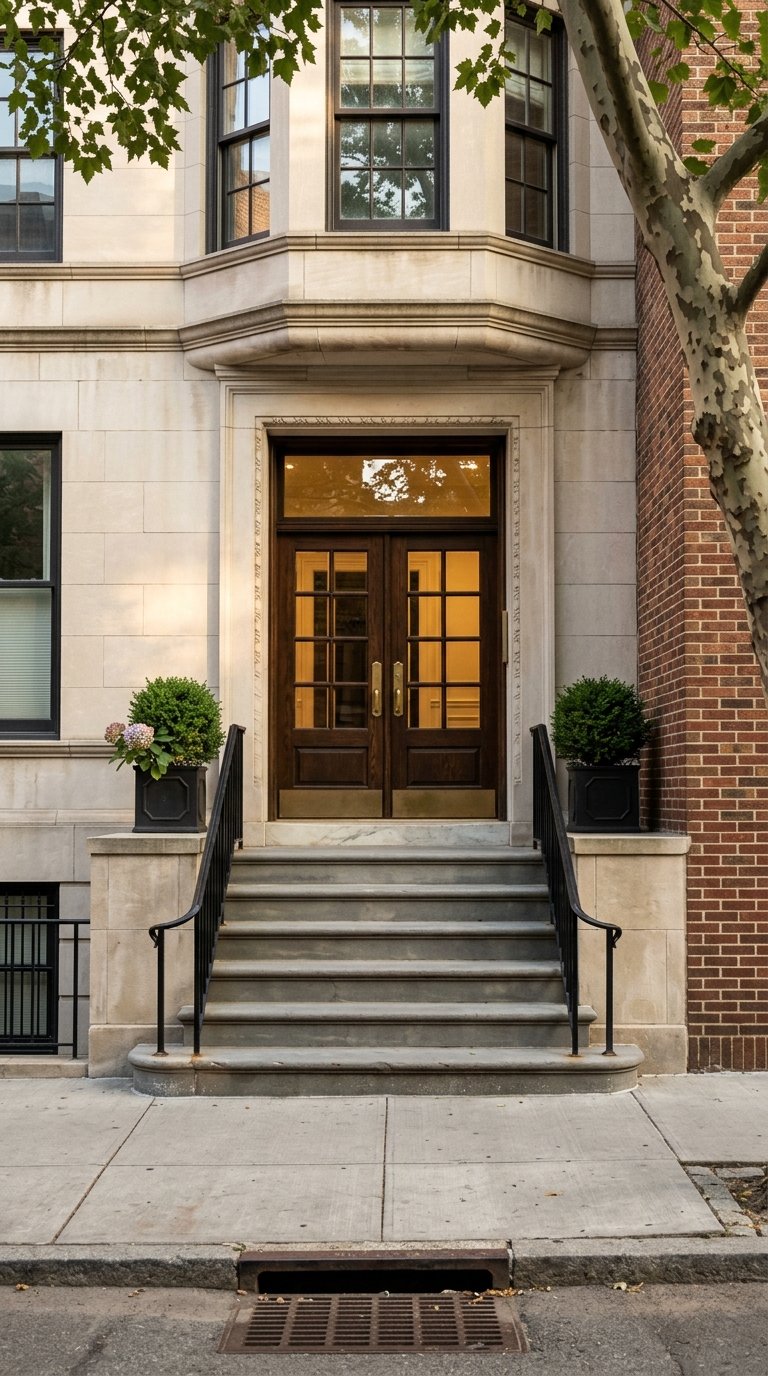
The Upper West Side is especially appealing if you are drawn to classic Manhattan architecture. Much of the neighborhood developed from the 1880s through the 1930s, and the Historic Districts Council’s overview of the Upper West Side/Central Park West Historic District describes a landscape of row houses, tenements, storefront buildings, and apartment towers in styles that include Neo-Grec, Romanesque Revival, Beaux Arts, Neo-Renaissance, and Art Deco.
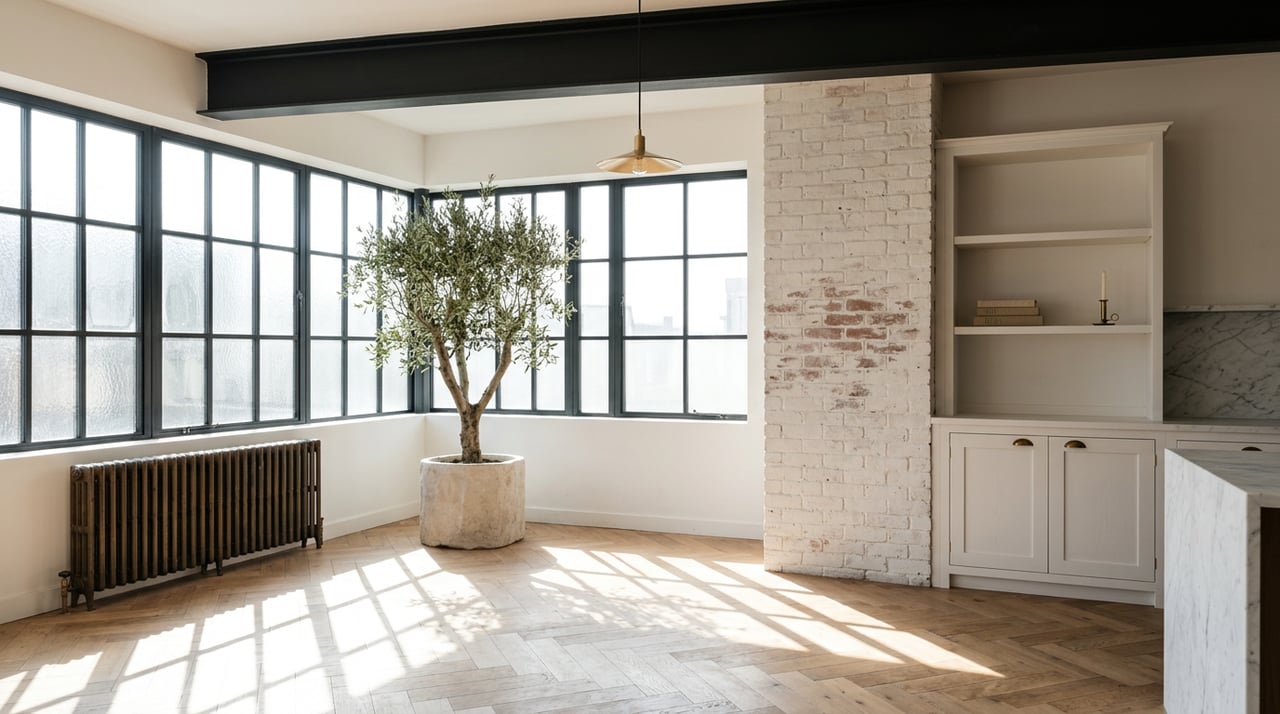
For buyers and renters, that often translates into a lot of prewar housing stock, especially in larger apartment buildings. On the western side of the neighborhood, the City Planning Commission’s report on the Riverside-West End Historic District Extension II notes a mix of large apartment buildings along Riverside Drive and West End Avenue, along with smaller clusters of row houses and mansions from earlier development periods.
In everyday terms, the Upper West Side is not a neighborhood of one housing type. You will see substantial prewar co-op and condo buildings, larger apartment houses, and more limited pockets of brownstones and row houses on select side streets. For many people, that architectural variety is part of the appeal.
It is also worth noting that the housing stock is not frozen in time. The Furman Center reports that the neighborhood added 6,131 housing units from 2010 to 2024, with most of them market-rate. So while the Upper West Side is known for historic character, it also continues to evolve.
Parks Shape the Lifestyle
Few Manhattan neighborhoods are framed by green space the way the Upper West Side is. On the east side, you have Central Park. On the west side, you have Riverside Park and the Hudson River waterfront.
The Central Park Conservancy describes Central Park as New York City’s 843-acre backyard, while Riverside Park Conservancy cares for six miles of parkland on the West Side from West 59th Street to West 181st Street. For residents, that means outdoor space is not just a bonus here. It is part of daily life.
Depending on where you live, your routine might include a morning walk in Central Park, a bike ride along the waterfront, playground time, or simply having a scenic place to reset after work. If park access is high on your list, the Upper West Side offers two strong anchors instead of just one.
Culture Is Built Into the Neighborhood
The Upper West Side stands out even in Manhattan for how much culture is concentrated in one area. That gives the neighborhood a weekend rhythm that many residents appreciate because there is often plenty to do close to home.
At the southern end, Lincoln Center sits on a 16.3-acre campus between West 62nd and 65th Streets and is home to 11 performing arts and arts education nonprofits. Farther north, the American Museum of Natural History occupies the block between West 77th and 81st Streets across from Central Park. The Children’s Museum of Manhattan is also located in the neighborhood and designed for young learners ages 0 to 6.
That concentration of institutions shapes how the neighborhood feels. On any given weekend, you can imagine park time, museum visits, a performance, or simply a walk through architecturally rich streets without needing to leave the area. For many buyers and renters, that kind of built-in lifestyle is one of the Upper West Side’s biggest strengths.
Different Pockets, Different Feel
The Upper West Side is cohesive, but it is not one-note. Different stretches of the neighborhood can feel slightly different depending on their mix of institutions, housing, avenues, and transit access.
A practical way to picture it is this: the southern section near Lincoln Center and Columbus Circle tends to feel more institution-heavy and transit-oriented. The center of the neighborhood, between Central Park and Riverside Park, often feels especially classic and residential. The northern blocks can feel more mixed, with a combination of large apartment houses, row houses, institutions, and active avenues.
This is not an official subdistrict map, but it is a useful shorthand based on how landmarks and building patterns cluster. If you are deciding where to focus your search, these small differences can help you narrow in on the kind of block and building that best fits your routine.
Transit Makes the Neighborhood Easy to Navigate
Even if you love staying local, transit still matters in Manhattan. The Upper West Side benefits from broad subway and bus access, which helps support both daily commuting and simple crosstown or downtown trips.
A Manhattan Community Board 7 district profile notes access to the 1, 2, 3, A, B, C, and D trains, along with multiple bus lines. For residents, that means the neighborhood works well whether your lifestyle is centered nearby or spread across the city.
This accessibility also adds flexibility when choosing exactly where to live. Some buyers and renters prioritize being close to express trains, while others care more about park access, building style, or a quieter block. On the Upper West Side, you can often weigh those preferences without sacrificing connectivity altogether.
Who the Upper West Side Often Appeals To
The Upper West Side can suit many kinds of buyers and renters because it supports different rhythms of city life. Some people are drawn to the architecture and prewar apartment stock. Others are focused on proximity to parks, cultural institutions, or a neighborhood that feels established and easy to navigate.
It can also be appealing if you want a Manhattan neighborhood where daily life feels grounded in local routines. Running errands on the avenues, walking to the park, stopping at neighborhood services, and coming home to a quieter side street is a pattern many people find attractive here.
Of course, the best fit depends on your priorities. Your ideal section of the Upper West Side may look different if you care most about transit, historic buildings, waterfront access, or being near certain cultural landmarks. That is where neighborhood-level guidance can make a real difference.
Is the Upper West Side Right for You?
If you want a neighborhood that combines classic Manhattan architecture, strong park access, cultural depth, and a distinctly residential feel, the Upper West Side is easy to understand the appeal of. It is busy, but it is not only busy. It is well-known, but it still feels personal block to block.
For buyers, renters, and owners, that mix is part of what makes the neighborhood so enduring. If you are considering a move, sale, or search on the Upper West Side, working with someone who understands the nuances of buildings, blocks, and lifestyle fit can save you time and help you make a smarter decision.
If you want thoughtful, personalized guidance on buying, selling, renting, or understanding the Upper West Side market, connect with Rachel Gavrieli. Her boutique, neighborhood-focused approach can help you move forward with clarity and confidence.
FAQs
What is the Upper West Side’s general boundary in Manhattan?
- The Upper West Side is generally defined by Manhattan Community Board 7 as running from West 59th and 60th Streets to West 110th Street, between Central Park West and the Hudson River.
What types of homes are common on the Upper West Side?
- The neighborhood is dominated by apartment buildings, especially prewar housing stock, with row houses and brownstones appearing more selectively on side streets and within historic districts.
What parks are near homes on the Upper West Side?
- The neighborhood is anchored by Central Park on the east and Riverside Park along the Hudson River on the west, giving residents access to major green space on both sides.
What cultural attractions are located on the Upper West Side?
- Major cultural destinations in the neighborhood include Lincoln Center, the American Museum of Natural History, and the Children’s Museum of Manhattan.
What is shopping and dining like on the Upper West Side?
- Much of the neighborhood’s retail and dining activity is concentrated along Broadway, Amsterdam Avenue, and Columbus Avenue, while many side streets remain more purely residential.
What transit options serve the Upper West Side?
- According to the Manhattan Community Board 7 district profile, the neighborhood has access to the 1, 2, 3, A, B, C, and D trains, plus multiple bus lines.