Buying an Upper East Side co-op can feel exciting right up until you hear the words board package and board interview. If you are feeling a little intimidated, you are not alone. The good news is that co-op board review is a normal part of buying in this neighborhood, and with the right preparation, it can feel far more manageable. Let’s dive in.
Why co-op boards matter here
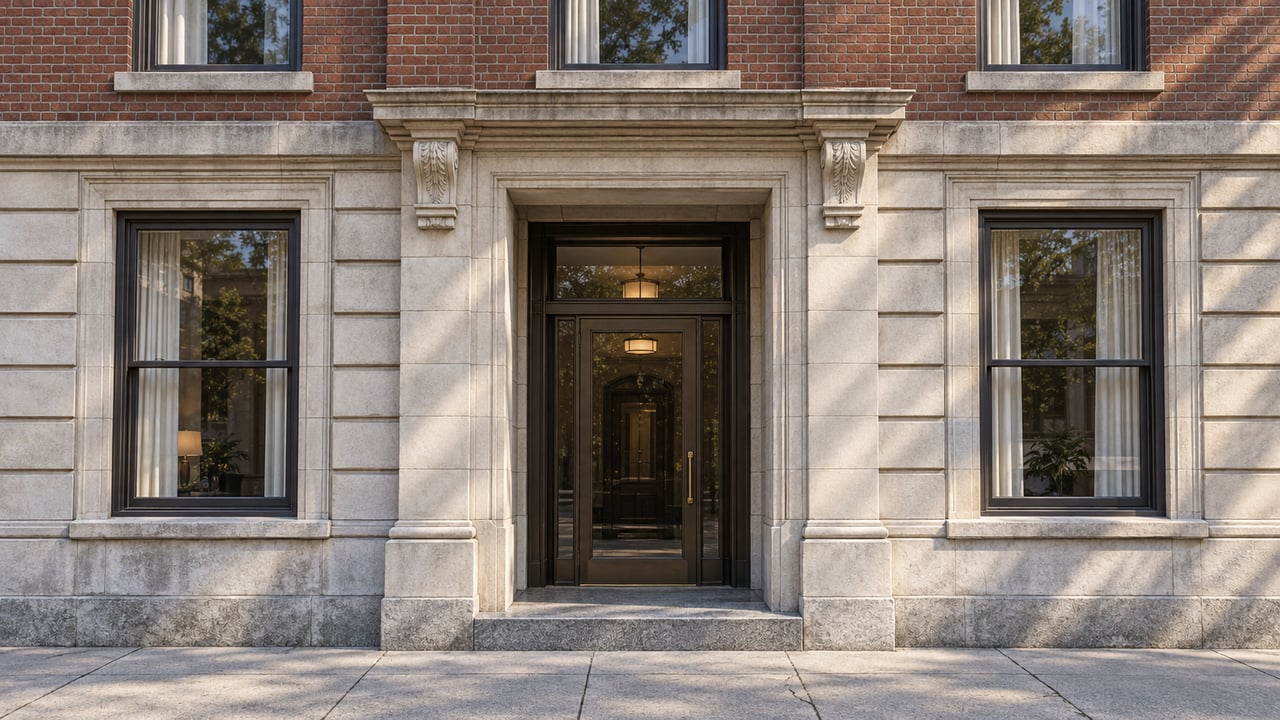
On the Upper East Side, co-ops are part of the neighborhood’s housing history, not an exception. The cooperative apartment model was popularized on Manhattan’s Upper East and Upper West Sides in the early 1900s, and many buildings in the Upper East Side historic district extension were built as co-ops or later converted.
That matters because when you shop here, board review is often built into the process. In a co-op, you are buying shares in a corporation and receiving a proprietary lease rather than direct deeded ownership. Maintenance charges are also tied to the number of shares allocated to the apartment.
What a co-op board is reviewing
A co-op board is typically made up of shareholders in the building. According to New York State guidance, board members are usually neighboring shareholders serving without pay, and they are expected to follow the building’s bylaws, proprietary lease, certificate of incorporation, and house rules.
In practical terms, boards are usually looking at two things. First, they want to see that you can comfortably afford the apartment. Second, they want to know that you understand and can follow the building’s rules and day-to-day operations.
That is why the process often focuses on employment and income verification, credit history, debt obligations, references, intended use of the apartment, and building-specific policies such as pet rules. It is less about personality and more about clear documentation, financial stability, and a respectful understanding of how the building runs.
What goes into a board package
A typical New York City co-op package is detailed and document-heavy. Most buildings ask for a combination of financial records, identity documents, signed forms, and building acknowledgments.
Common items often include:
- Net worth statement
- Bank and asset verification letters
- Recent bank statements
- Cash flow and debt-to-income disclosures
- Tax returns
- Employment verification
- Mortgage commitment, if you are financing
- Personal or professional references
- Photo ID
- Signed contract of sale
- Purchase application
- House rules and pet policy acknowledgments
- Proof of homeowners insurance
- Authorizations for credit or background checks
It is also common to include a concise cover letter and a table of contents. Since many buildings use structured financial forms, your package usually needs to present a detailed and consistent financial picture rather than a casual summary.
Why organization can make a difference
A strong package is not just about having the right documents. It is also about making them easy to review.
Because exact requirements vary by building, the managing agent may first review the package for completeness before it ever reaches the board. If pages are missing, figures do not match, or forms are incomplete, the package may come back for corrections, which can slow everything down.
This is where careful coordination matters. A well-prepared file helps the board focus on the substance of your application instead of getting distracted by avoidable errors.
How to prepare your package with confidence
If you want the process to feel more manageable, start early. Gathering statements, letters, tax returns, and signatures often takes longer than buyers expect.
A few practical steps can help:
- Confirm the building’s exact checklist before assembling anything
- Make sure names, balances, and account details are consistent across documents
- Review every page for signatures, dates, and missing attachments
- Organize the packet in the same order as the building’s checklist
- Add a clear table of contents for easier review
- Read your full package before submission so you can discuss it comfortably later
This kind of preparation does not guarantee an outcome, but it does help present you as organized, transparent, and serious about the purchase.
What to expect in the interview
For many buyers, the interview feels like the most stressful part. In reality, it is usually a standard part of the co-op process in New York City.
Boards may ask why you want to live in the building or on the Upper East Side, ask about your work and income, review debt or credit questions, discuss references, ask how you plan to use the apartment, or confirm your understanding of building rules. If you already know your package well, these questions tend to feel much easier.
The best approach is usually calm and straightforward. You do not need a performance. You need clear, respectful answers that match the information in your file.
What boards can and cannot ask
It is important to remember that co-op interviews still have legal boundaries. In New York City, housing providers may not deny housing based on protected characteristics including race, color, religion or creed, national origin, gender, age, marital or partnership status, disability, alienage or citizenship status, lawful source of income, or family status. City protections also include categories such as pregnancy, gender identity, sexual orientation, and immigration status.
Criminal-history questions are also tightly limited in New York City. As of January 1, 2025, the Fair Chance Housing Law requires covered housing providers to assess general eligibility first and make a conditional offer before considering limited criminal-history information, and most criminal-history information cannot be used in the process. The city also states that covered housing providers do not have to run criminal background checks at all.
If you believe a board or building crossed the line, New York City provides a housing discrimination complaint process. The city notes that complaints generally must be filed within one year of the last alleged discriminatory act.
Due diligence beyond the package
Even though the board package gets most of the attention, it is only one part of an Upper East Side co-op purchase. You should also understand the building itself.
New York State guidance recommends reading the entire offering plan and consulting an attorney before signing a purchase agreement. The same guidance notes that board minutes, financial reports, and conversations with board members, selling agents, and sponsors can reveal important details about repairs, assessments, and building condition.
On the Upper East Side, this extra diligence is especially useful because many buildings are older and long-established. When you understand a building’s governance, maintenance culture, and likely capital needs, the board process often feels less mysterious and more predictable.
Why Upper East Side buyers benefit from local guidance
Buying into a prewar or long-running co-op is rarely just about square footage. You are also stepping into a building’s systems, paperwork, and culture.
That is why many buyers benefit from hands-on guidance that goes beyond scheduling showings. Careful support can help you gather documents, check for inconsistencies, stay aligned with the building’s exact requirements, and prepare for the interview in a calm and practical way.
For Upper East Side buyers, that kind of support can make a complicated process feel much more human. Instead of guessing your way through a major purchase, you can move forward with better information and more confidence.
If you are thinking about buying on the Upper East Side and want experienced, thoughtful help with co-op strategy, board prep, and building-by-building guidance, connect with Rachel Gavrieli.
FAQs
What is a co-op board reviewing when you buy an Upper East Side apartment?
- A co-op board is generally reviewing your financial stability, supporting documents, intended use of the apartment, and ability to follow the building’s rules and operations.
What documents are usually required for an Upper East Side co-op board package?
- Most packages include financial statements, bank records, tax returns, employment verification, references, photo ID, the signed contract of sale, building forms, and other supporting documents required by that specific co-op.
What happens during a New York City co-op board interview?
- A co-op board interview often includes questions about your employment, income, finances, references, reasons for choosing the building or neighborhood, intended use of the apartment, and understanding of house rules.
Can a New York City co-op board ask personal or discriminatory questions?
- Co-op boards must stay within fair housing rules and cannot deny housing based on protected characteristics under New York City law.
Why is extra due diligence important when buying an Upper East Side co-op?
- Many Upper East Side co-ops are in older, long-established buildings, so reviewing offering plan materials, financial reports, board minutes, and repair or assessment history can give you a clearer picture of the building before closing.