Selling on the Upper West Side can feel deceptively simple. Demand is real, but so is buyer choice, and even strong apartments can sit if the pricing, presentation, or prep work misses the mark. If you want to sell with less guesswork and more confidence, the key is to understand how this neighborhood behaves and what buyers here actually respond to. Let’s dive in.
Know the Upper West Side Market
The Upper West Side is not just a broad Manhattan label. Community Board 7 defines it as the area from 59th to 110th Streets between Central Park and the Hudson River, and that clear identity matters when you position your home for sale.
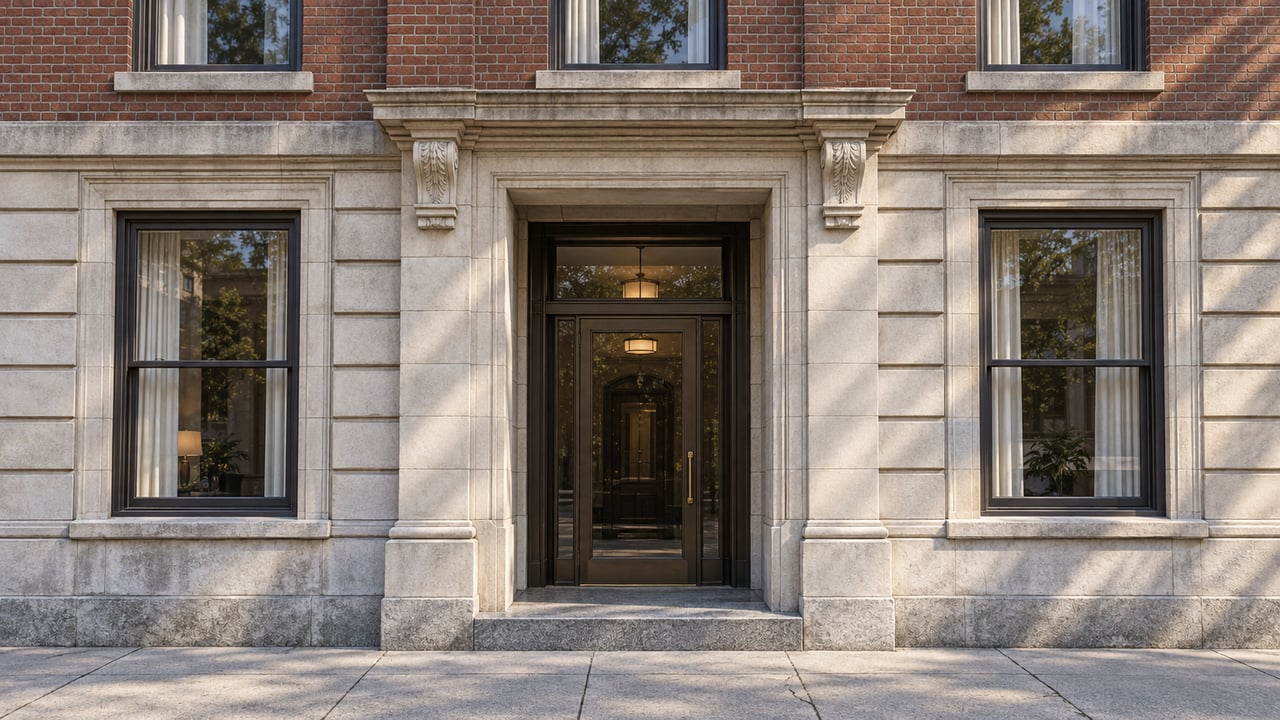
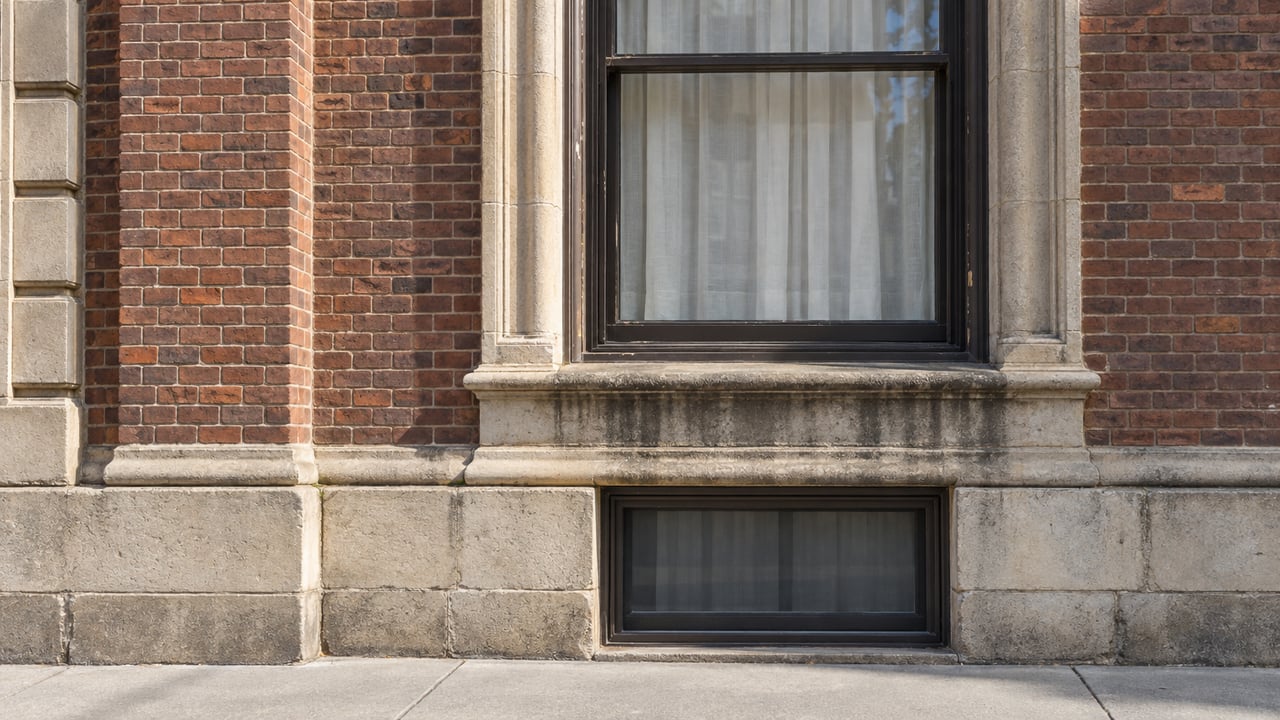
This neighborhood is known for park access, landmarked streets, and many large prewar buildings. That gives sellers a strong story to work with, but it also means buyers tend to look closely at details like layout, light, building character, and overall condition rather than reacting to square footage alone.
Current pricing data points to a premium market, but not an automatic one. Realtor.com places the Upper West Side median listing price at $1.7 million, with about 1,300 homes for sale, a median of 50 days on market, and homes selling about 2.15% below asking on average in May 2026.
StreetEasy showed a 2025 median asking price of $1.545 million and 58 median days on market. The exact figures vary by source, but the takeaway is consistent: this is a selective market where strategy matters.
Price for the Market You Have
One of the biggest choices you will make is whether to launch high and leave room to negotiate or price more cleanly from the start. In the current Manhattan market, the broader data suggests buyers are still negotiating, even when values remain strong.
Miller Samuel reported a Manhattan median sale price of $1.225 million in the first quarter of 2026, with 7 months of supply and buyers paying 97.0% of the last asking price. A separate Manhattan summary from R New York also showed elevated inventory and longer marketing timelines. Different methods produce different numbers, but both reports point to the same reality: buyers have options.
On the Upper West Side, that means your launch price should come from recent comparable sales, nearby competing listings, and your apartment’s real value drivers. Those drivers often include:
- Layout and flow
- Natural light
- Views
- Renovation level
- Building reputation
- Ownership type, especially co-op versus condo
A wish price can cost you momentum. A disciplined launch price often gives you stronger early attention, more serious showings, and better odds of attracting a clean offer before your listing starts to feel stale.
Focus on Visible Pre-List Improvements
You do not need to overhaul everything before you sell. In many Upper West Side apartments, the smartest work is simple, visible, and cost-conscious.
Fresh paint, stronger lighting, decluttering, and minor repairs can go a long way. In a neighborhood filled with prewar homes, small visual issues can make a space feel darker, tighter, or more dated than it really is.
The goal is not to erase the apartment’s character. The goal is to help buyers see the best version of the space without distraction.
The New York State Attorney General notes that physical aspects of a co-op or condo can matter in a buyer’s review, including windows, flooring, appliances, elevators, heating and cooling systems, wiring, plumbing, facade, and roof. For a seller, that creates two useful prep tracks:
- Address obvious cosmetic or maintenance issues before launch
- Organize building and unit information so buyer questions do not slow the process later
Make Presentation a Priority
Photos are often the first showing. That is especially true in Manhattan, where many buyers screen options carefully before they ever book an appointment.
Staging and professional photography are not just nice extras. The 2025 Profile of Home Staging found that 83% of buyers’ agents said staging made it easier for buyers to visualize a home, 73% said photos were important, and 49% of sellers’ agents observed faster sales when homes were staged.
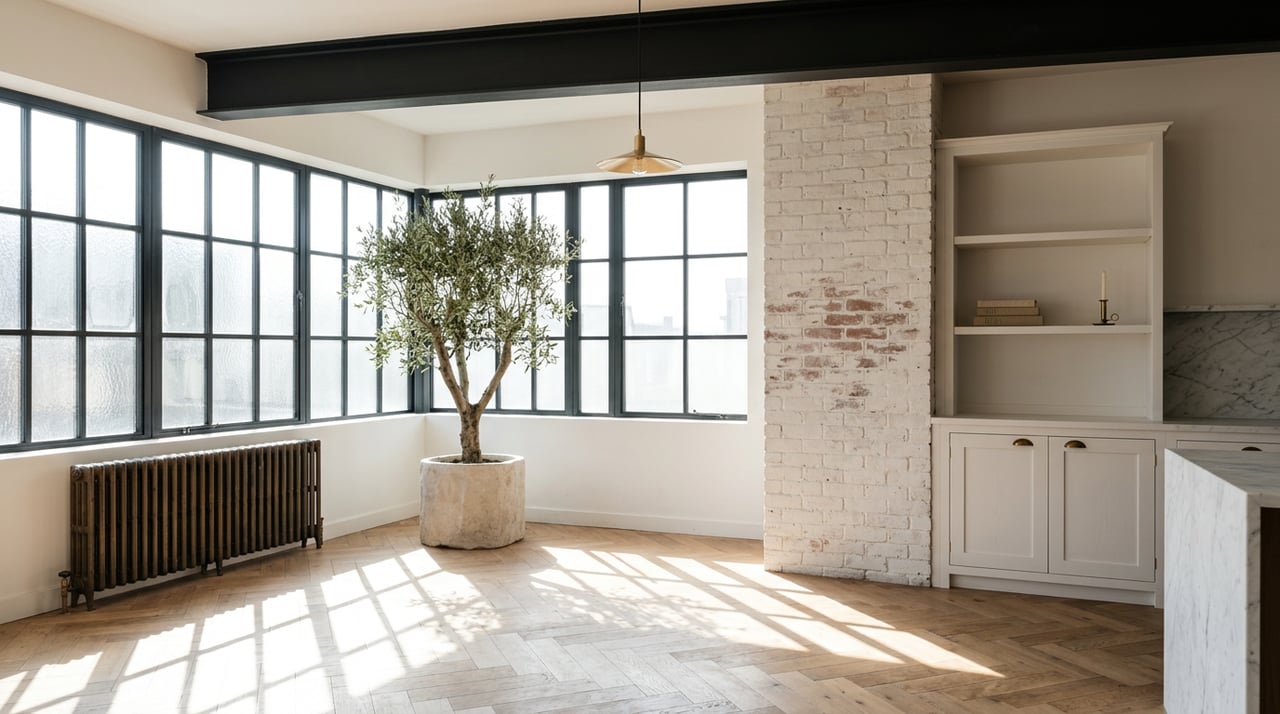
For an Upper West Side apartment, presentation usually works best when it highlights openness, light, and livability. The rooms most worth focusing on are often:
- Living room
- Primary bedroom
- Dining area
- Kitchen
In prewar homes, thoughtful staging can also help buyers understand scale and flow. It can show how a formal layout fits modern life without fighting the apartment’s original architecture.
Build a Marketing Story That Fits the Neighborhood
Buyers on the Upper West Side are often responding to more than finishes. They are buying into a specific neighborhood identity, and your listing should reflect that.
StreetEasy describes the area as green and relaxed, with Amsterdam Avenue as a commercial spine and Lincoln Center as a cultural anchor. The neighborhood’s historic district and well-known prewar architecture also give many buildings a sense of place that generic marketing language cannot capture.
That is why the strongest listing story usually emphasizes details like:
- Light and window exposure
- Layout and room flow
- Prewar character or architectural detail
- Building presence and feel
- Access to parks and daily conveniences
A clear, grounded story tends to perform better than vague luxury wording. Buyers want help understanding what makes your apartment and your building stand out in this specific part of Manhattan.
Prepare for Showings With Structure
Smooth showings create a better experience for both sellers and buyers. They also make it easier to gather useful feedback and adjust quickly if needed.
In a co-op-heavy neighborhood like the Upper West Side, showing logistics often need a little more coordination. Building access, staff procedures, and owner schedules can all shape how appointments are handled.
Just as important, all listing language and showing practices should stay neutral and consistent. The New York State Attorney General notes that the Fair Housing Act, the New York State Human Rights Law, and local laws prohibit discrimination by owners, agents, managing agents, boards, and lenders.
In practical terms, that means your sale process should rely on consistent access rules, neutral marketing language, and a structured system for collecting buyer feedback. A clean process protects you, supports compliance, and helps keep momentum after each showing.
Get Co-op Documents Ready Early
If your apartment is a co-op, preparation matters even more. Buyers in co-op transactions often look closely at building materials and approval requirements, and delays can start when basic documents are not easy to access.
The New York State Attorney General explains that in a cooperative, the purchaser buys shares in a corporation that are allocated to a specific apartment, along with a proprietary lease. Maintenance charges are based on the number of shares assigned to the unit.
Because that structure is different from a condo sale, buyers often want clear answers early. It helps to have building-related information organized before the first showing, not after an offer arrives.
That can include items such as:
- Basic board application expectations
- Building financial materials that are typically reviewed
- Recent board minutes if available through proper channels
- Offering plan materials where relevant
- Common building policies and practical details
The Attorney General also advises buyers to read the full offering plan, review financial reports and board minutes, and consult an attorney before signing. For sellers, that is a good reminder that transaction readiness can support a smoother deal from the start.
Think Ahead if the Building Is Landmarked
Some Upper West Side homes sit within historic districts, including the Upper West Side/Central Park West Historic District designated by the Landmarks Preservation Commission in 1990. If your building falls within a landmarked area, buyers may pay attention to building history, exterior consistency, and how updates fit the property’s context.
That does not mean landmark status is a problem. In many cases, it adds to the appeal and identity of the building.
It does mean your marketing and prep should be accurate and thoughtful. If architectural character is part of the apartment’s value, that story should be presented clearly and factually.
Choose Strategy Over Guesswork
A successful Upper West Side sale rarely comes down to one magic move. It usually comes from a series of smart decisions made in the right order.
That means pricing from real market evidence, making visible improvements that matter, investing in presentation, and preparing for the questions buyers are likely to ask. In a neighborhood with strong identity and plenty of inventory, that kind of planning can make your home feel more compelling from day one.
If you are thinking about selling on the Upper West Side and want a calm, well-informed plan built around your apartment, your building, and your timing, Rachel Gavrieli can help you map out the right next steps.
FAQs
How should you price a home on the Upper West Side?
- You should base pricing on recent comparable sales, nearby competing listings, and your apartment’s specific value drivers like light, layout, condition, view, building reputation, and whether it is a co-op or condo.
Which low-cost updates matter most before listing an Upper West Side apartment?
- The most useful updates are often fresh paint, better lighting, decluttering, deep cleaning, and simple repairs that make the home feel brighter, cleaner, and more move-in ready.
Does staging help sell a prewar Upper West Side apartment?
- Yes. Research cited in the report found staging helps buyers visualize a home, supports stronger listing photos, and is often associated with faster sales.
What should sellers know about showings on the Upper West Side?
- Showings should follow consistent access procedures, use neutral listing language, and include a structured process for collecting buyer feedback, especially in buildings with specific entry or scheduling rules.
What documents should be ready for an Upper West Side co-op sale?
- It helps to organize building information early, including common board process details, financial materials typically reviewed by buyers, relevant building policies, and other documents that can help answer buyer questions quickly.