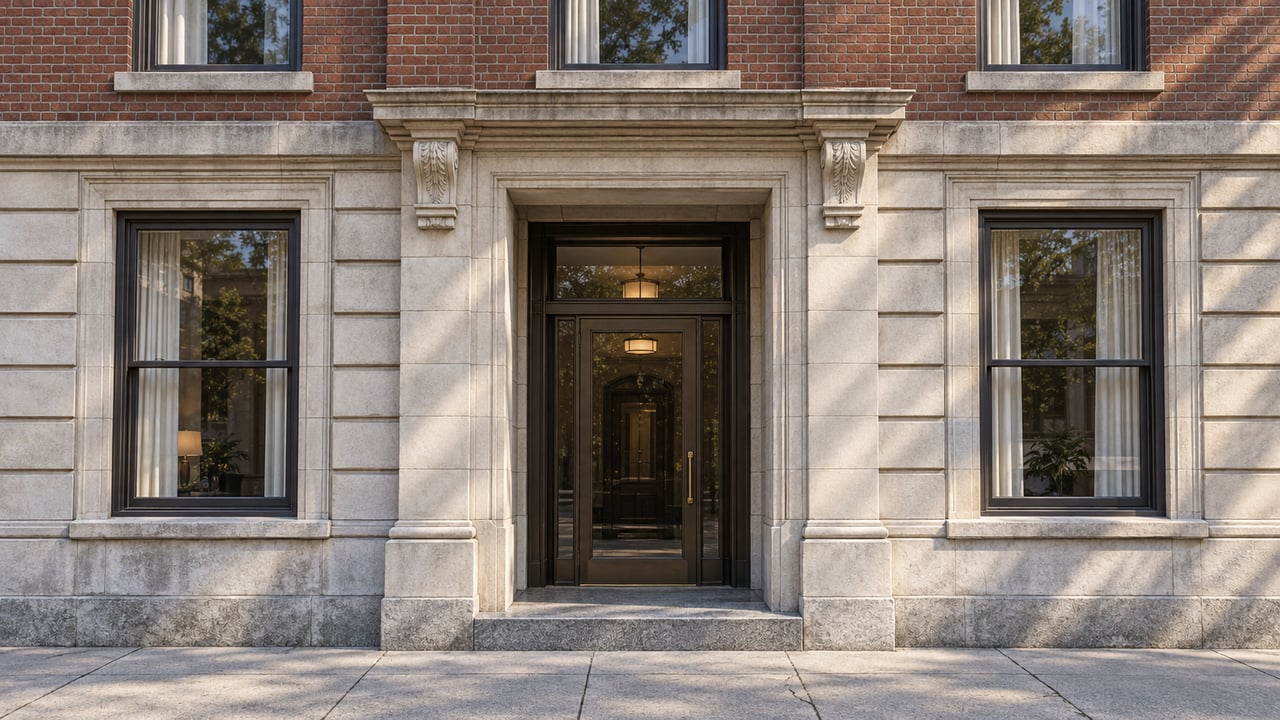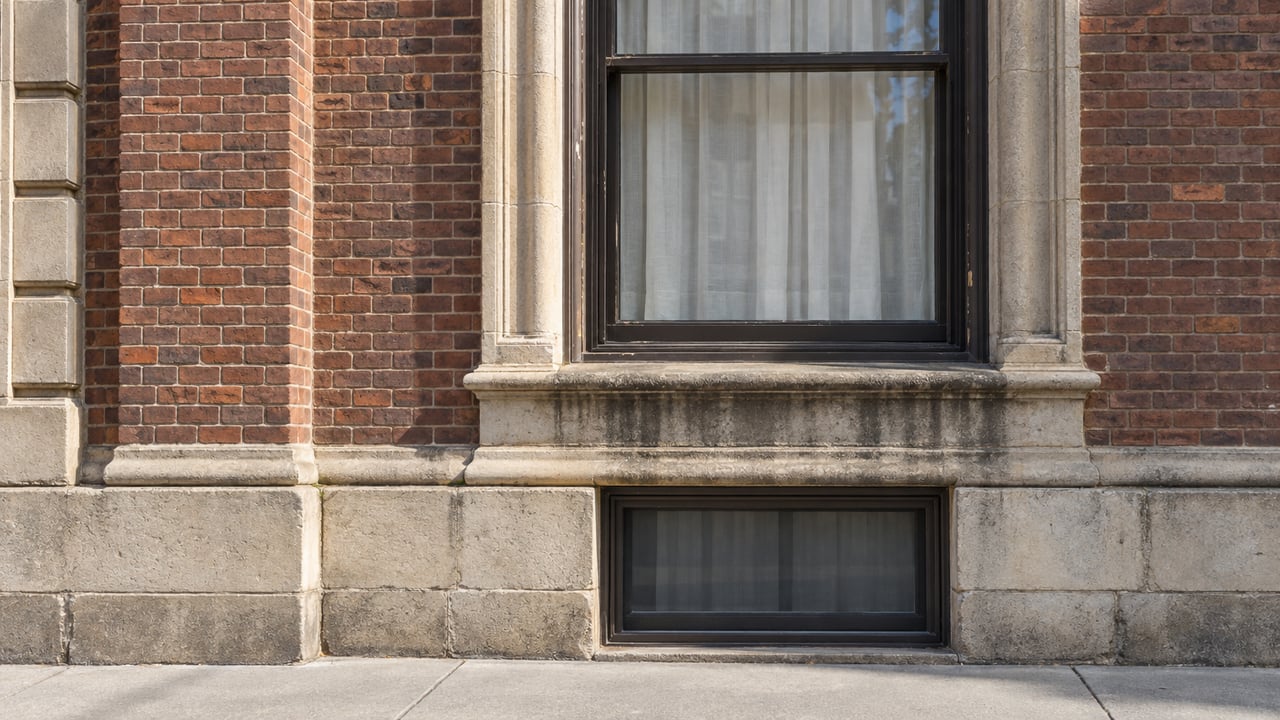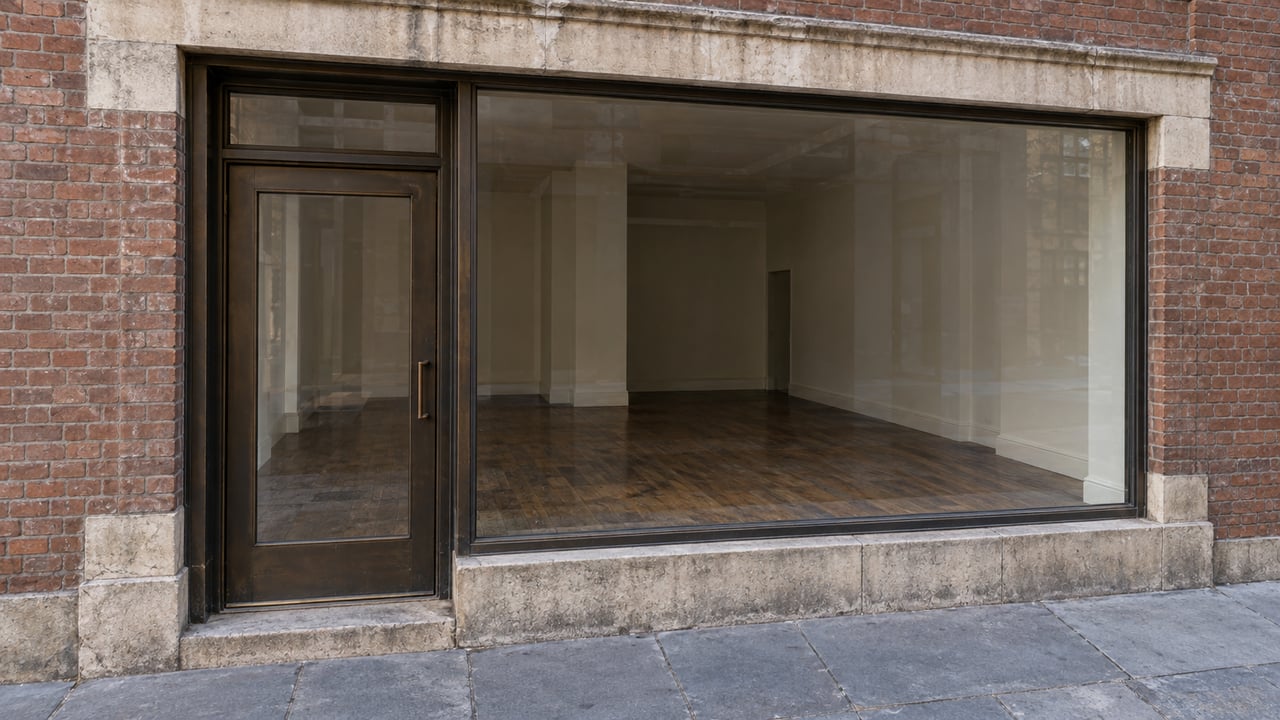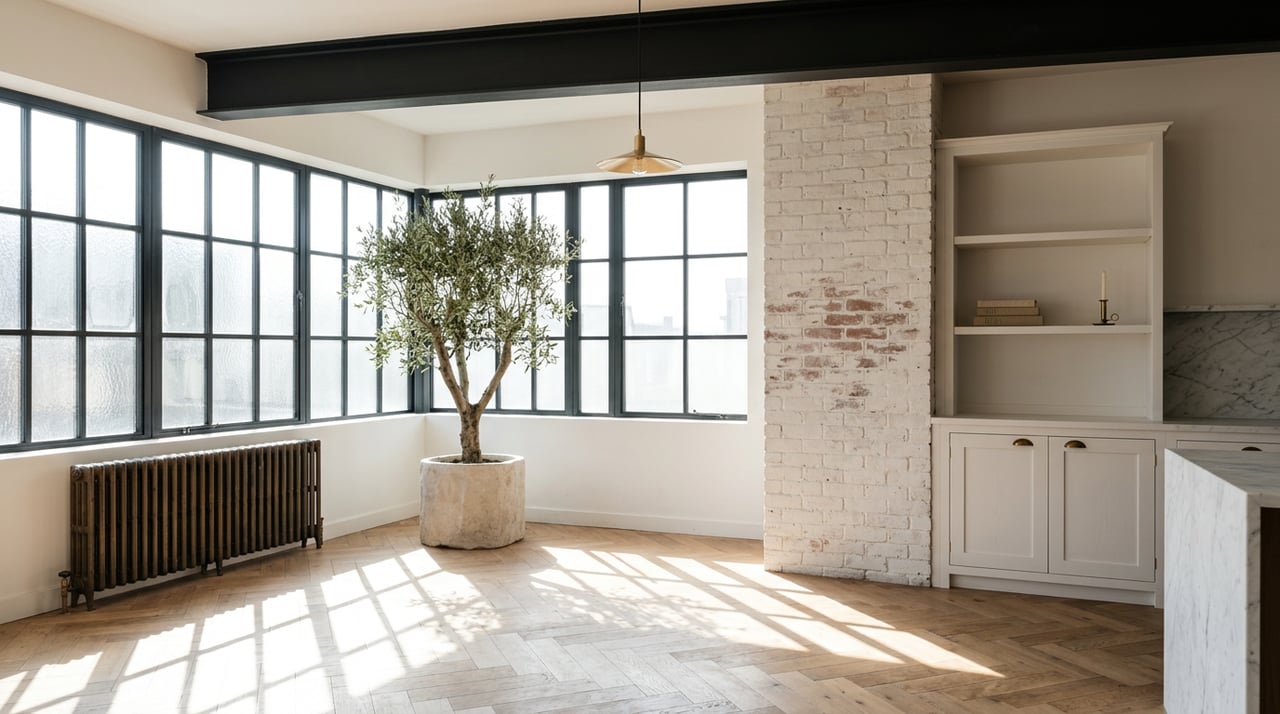
Why would two Tribeca listings, both around 2,000 square feet and a few blocks apart, list at prices $400 or more apart on a per-square-foot basis? It happens often enough that buyers touring the neighborhood start to wonder if one of the numbers is a mistake. It usually isn't. The two apartments are simply not the same kind of product, even though a search portal will happily stack them side by side under one median.
Price per square foot is the first filter almost every buyer applies to a Manhattan search, and in Tribeca it's also one of the least reliable numbers on the page. The neighborhood's inventory is a blend of four genuinely different housing types, each carrying its own ownership structure, financing path, and approval timeline. Comparing them on price alone tells you which one costs less today. It tells you almost nothing about which one closes faster, or what happens between accepted offer and keys in hand.
The Number Every Search Starts With
Price per square foot in Tribeca has been unusually noisy this year. PropertyShark's second-quarter 2026 data put the median at $2,030 per square foot, up 4.5% year over year, but that figure came from just 71 recorded deals, a 29.7% drop in transaction volume compared to the same quarter last year. A smaller pool of closings means a single large loft or a cluster of smaller co-op trades can swing the median meaningfully in either direction.
Separately, the appraisal firm Miller Samuel's year-end tally for the combined SoHo and Tribeca condo market showed 398 closed sales in 2025, up 26.8% from 2024, at an average of $2,375 per square foot. That's roughly $300 higher than PropertyShark's Tribeca-only figure from a few months later. Both numbers are accurate. They're measuring different slices of a market where loft conversions, new condos, and a scattering of townhouses rarely trade in the same proportions from one quarter to the next. When the mix shifts, so does the average, even if no individual apartment changed in value at all.
Four Different Products Wearing One Zip Code
The gap starts to make sense once you separate what's actually for sale. Tribeca's active listings generally fall into four categories, and each one comes with its own set of questions worth asking before you compare a price tag.
| Inventory type | Typical ownership | What to confirm before comparing price |
|---|---|---|
| Warehouse loft conversion | Often a co-op | Certificate of occupancy status and any Loft Board or interim multiple dwelling history |
| New-construction condo | Condo | Common charge structure, amenity costs, and whether financing is standard |
| Townhouse | Single or multi-family, sometimes landmarked | Landmarks Preservation Commission review requirements for exterior work |
| Mixed-use building with ground-floor retail | Co-op or condo | How the commercial tenant affects building insurance and financials |
A loft conversion priced below the neighborhood median isn't automatically underpriced. It may simply be a building where the board is stricter, the financing pool is smaller, or the legal paperwork on the unit's residential status takes longer to assemble. A new condo priced above the median isn't automatically overpriced either. It may be trading at a premium precisely because none of those questions apply.
This is also a reasonable explanation for something else in the data. Over the three months ending in August 2026, Tribeca's median sale price reached $3.8 million, up 1.4% year over year, but the average home took 64 days to sell, compared to 52 days over the same period a year earlier, with 58 homes sold in August 2026 against 69 the year before. Fewer sales moving more slowly doesn't necessarily mean softer demand. It can mean a heavier share of that month's closings came from the loft-and-co-op side of the ledger, where the clock simply runs longer.
The Line on the Certificate of Occupancy That Actually Changes Your Timeline
Many of Tribeca's classic loft buildings began as manufacturing or warehouse structures, occupied informally by artists and other early residents decades before the city caught up with a legal framework. New York's 1982 Loft Law, formally Article 7-B of the Multiple Dwelling Law, created a path for these interim multiple dwellings to be brought up to residential code, overseen by the NYC Loft Board. A building can be fully livable, fully renovated, and still be somewhere in that legalization process, or already through it with a final residential certificate of occupancy on file.
The Joint Living-Work Quarters for Artists rule is a different mechanism: Fontan Architecture explains that it requires certified-artist occupancy and applies specifically to SoHo and NoHo's manufacturing zoning districts, not Tribeca. A Tribeca buyer doesn't need to worry about artist certification. What a Tribeca buyer does need to confirm is whether the building's certificate of occupancy is final and residential, or whether it's still working through Loft Board registration. Attorneys who handle these closings are consistent on one point: even where enforcement of occupancy rules has been inconsistent over the years, a bank deciding whether to lend and a title company deciding whether to insure both care about what the certificate of occupancy actually says.
That single document, easy to overlook when you're falling for the ceiling height and the light, is often the reason one loft closes in six weeks and another takes four months.
A loft priced $200 less per square foot but waiting on Loft Board paperwork before your bank will fund it isn't necessarily the better deal. It's a different deal, with a different clock.
Where the Extra Days Actually Come From
Co-op board approval adds real time to any Manhattan purchase, and Tribeca's loft stock leans co-op more heavily in its classic conversions than its newer buildings do. Across Manhattan generally, correctly priced condos in prime locations have been selling in 30 to 45 days this year, while co-ops have been averaging 90 to 120 days once you account for the board approval process that follows an accepted offer. Tribeca's own days-on-market climb, from 52 days a year ago to 64 days now, is consistent with a market where board review, financial documentation, and occupancy verification are eating into the calendar more than they were previously.
None of this means loft co-ops are a worse choice. Many buyers specifically want the scale, the column grids, and the pedigree that only a real industrial conversion offers, and a slower close is a fair trade for that. The point is that the extra weeks are predictable once you know to expect them, and unwelcome surprises when you don't.
A Short Checklist Before You Compare Two Listings
- Ask for the building's current certificate of occupancy, not just the offering plan summary
- Ask directly whether the building has any Loft Board or interim multiple dwelling history, and how far along legalization is if it's still in process
- Confirm ownership type early, since co-op and condo financing timelines diverge before you ever get to the board package
- Talk to your lender about both units specifically, since some banks price and underwrite loft co-op shares differently than standard condo mortgages
- If the building is a co-op, request recent board minutes and the sublet policy before you fall in love with the layout
Large sections of Tribeca sit inside its historic districts, including Tribeca East, Tribeca North, and Tribeca South, which means exterior changes on top of any legalization questions may also require Landmarks Preservation Commission review. It's one more reason two apartments that look identical in photos can move through the process at very different speeds.
None of this is a reason to avoid Tribeca's loft stock. It's a reason to treat the price-per-square-foot number as a starting point for questions rather than a final answer. If you're comparing a loft conversion against a new condo, or trying to understand why two listings a block apart carry different price tags, our Tribeca neighborhood guide and buyer's guide are good starting points, and we're glad to walk through a specific building's certificate of occupancy and Loft Board status with you directly.
Comparing two Tribeca apartments well means comparing what stands between you and closing day, not just what's printed on the listing sheet. Rachel Gavrieli has spent years reading those documents before her clients make an offer, not after. If you're weighing a loft conversion against a new condo in Tribeca, schedule a consultation and we'll go through the building history together.
A Few Common Questions
Does every Tribeca loft fall under the Loft Law? No. The Loft Law applies to some Tribeca lofts, but not all.
Is the artist-certification rule the same thing that applies to Tribeca? No. It is a separate process from the Loft Law and Loft Board oversight discussed above.
This article is general information, not legal, tax or financial advice. Consult a qualified professional about your situation.