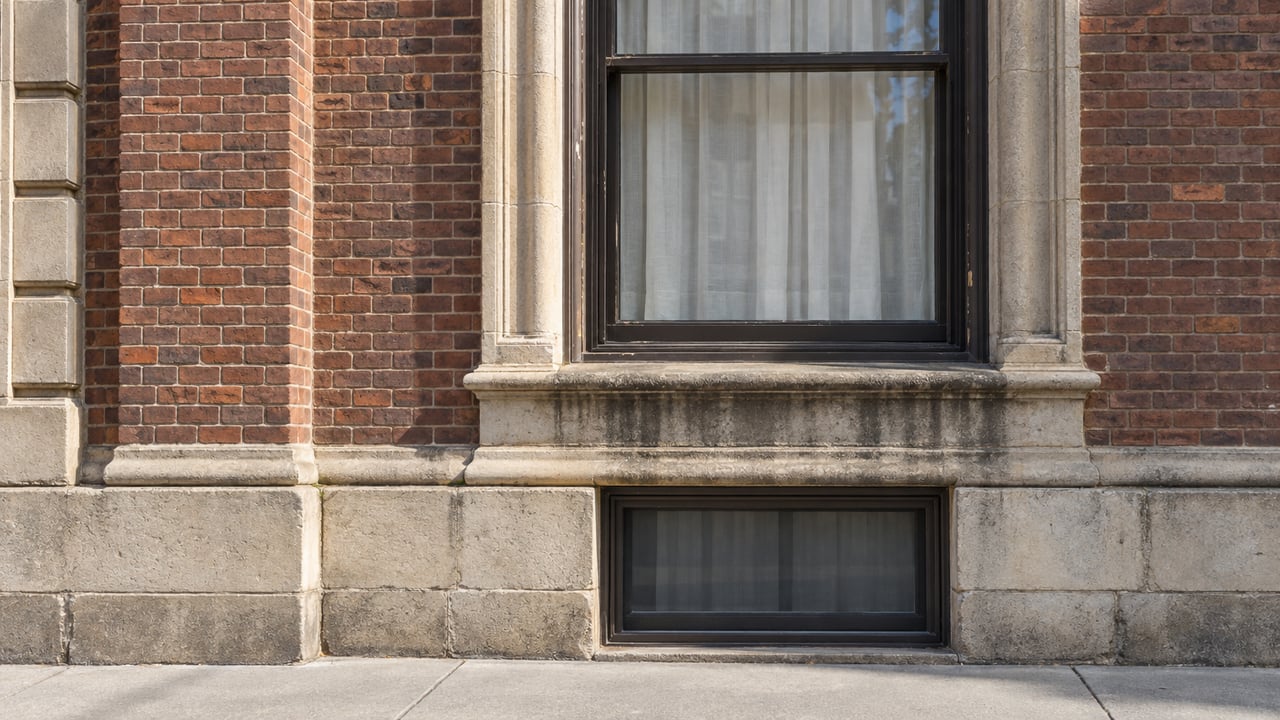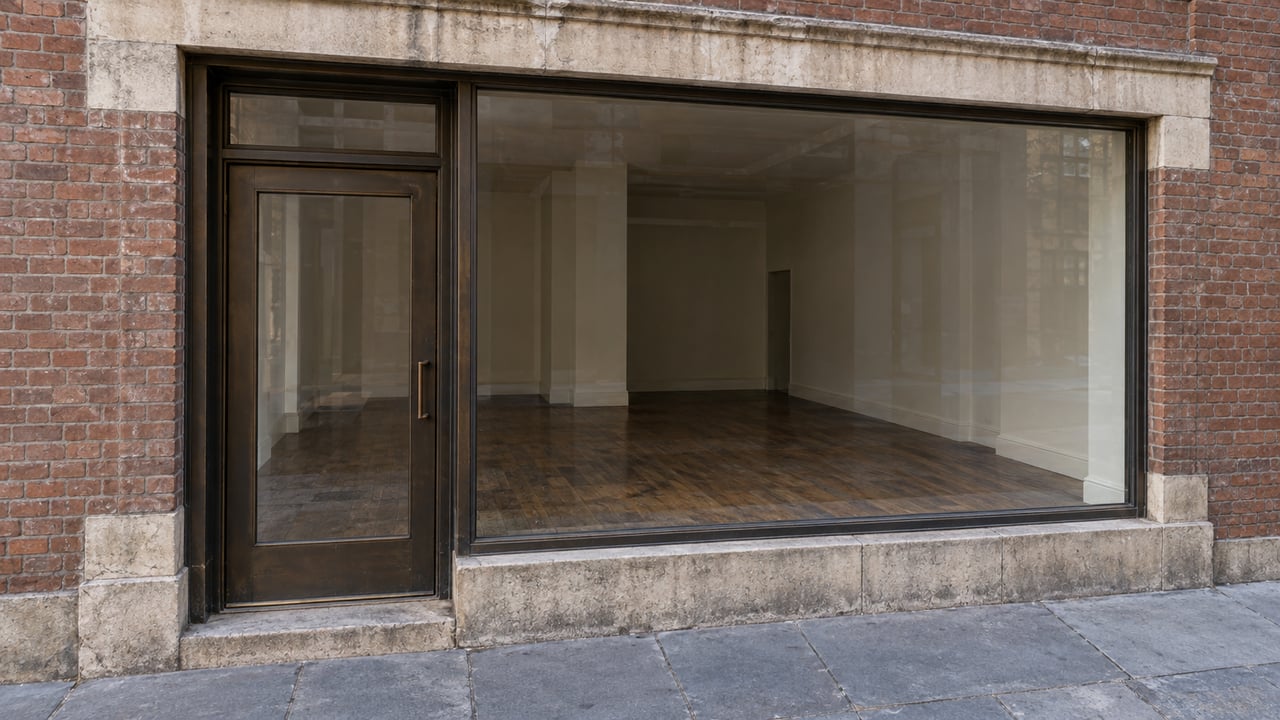
Walk down Broadway past 64th Street this week and you will see two kinds of plywood. One kind covers windows that are about to come off, because a restaurant is finally about to open behind them. The other kind runs along Amsterdam Avenue in a straight, unbroken line, because a park that has hosted opera-goers, circus audiences and free summer concerts for more than fifty years is now a construction site that will not reopen until 2028.
Both of these things are true on the same three blocks, in the same month, and they are not unrelated. Lincoln Square is refilling its restaurant row at the exact moment it loses its only piece of free, walk-up public space. For the next two years, the neighborhood's welcome-back energy runs almost entirely through paid tables. The plaza life that used to fill in around them is fenced off.
The corner that took fifteen months to refill
Daniel Boulud closed Bar Boulud, Boulud Sud and Épicerie Boulud at 1900 Broadway on June 22, 2025, ending a run of nearly two decades on that corner. He told the public it would come back "in time for the holidays." The holidays came and went. Brasserie Boulud, the single restaurant replacing all three, is now confirmed to open September 17, 2026, with reservations opening September 1. That is fifteen months of dark storefront on one of the most trafficked corners on the Upper West Side.
Here is what changed hands on that same stretch of blocks, and what moved in:
| Address | Before | Now |
|---|---|---|
| 1900 Broadway at W. 64th St. | Bar Boulud, Boulud Sud, Épicerie Boulud, closed June 2025 | Brasserie Boulud, opening Sept. 17, 2026 |
| 35 W. 64th St. | Picholine | Unglo, a Thai moo krata restaurant |
| 44 W. 63rd St., Empire Hotel | Vacant | Rosa Mexicano's relocated flagship |
| 150 W. 70th St. | Vacant | Chikara, upscale Japanese |
The Boulud vacancy is the one that mattered most to the block, both because of its size and because of its timing. The new brasserie designed by Rockwell Group seats 320 people indoors and out, making it Boulud's largest restaurant in the city, and its opening lands seven days after the New York Philharmonic's season opener on September 10 and five days before the Metropolitan Opera opens its season with Lise Davidsen on September 22, the same week New York City Ballet begins its season with Balanchine. That is not a coincidence of scheduling. A 320-seat brasserie across the street from three resident companies does better business when it opens on top of subscriber season than when it opens in a slow February.
Boulud's own language when he announced the closures leaned on that same logic. Explaining why three specialty spots were consolidating into one all-day brasserie, he said simply that after years of pre- and post-theater dinners, "it's time for something new." The new restaurant is built to catch a different kind of customer than the old three did: fewer destination diners booking a table at Boulud Sud specifically, more people who want croissants in the morning and a late dinner after a curtain call, all from the same kitchen.
What already reopened while Boulud's corner sat empty
The rest of the turnover did not wait for Brasserie Boulud. Three other spots on these same blocks have already reopened, filling in the gap while the biggest vacancy sat dark:
- Unglo took over the long-shuttered Picholine space at 35 West 64th Street with Manhattan's first moo krata restaurant, a Thai style of tabletop grilling built around custom copper pans set into stone tables. The kitchen is led by chef Nate Limwong, backed by the same owners as Soothr near Union Square and Chalong in Hell's Kitchen.
- Rosa Mexicano left its original Lincoln Center address after 25 years and relocated a few doors down to the second floor of the Empire Hotel at 44 West 63rd Street, with the same menu and the same David Rockwell-designed leaping-diver statuettes greeting guests upstairs.
- Chikara, an upscale Japanese restaurant from Yumi Matsumura, formerly a vice president at Sushi of Gari, and Chef Atsutaka Chikaraishi, opened at 150 West 70th Street in mid-August, a few weeks after Croissant et Café opened next door serving croissants, focaccia and Persian ice cream.
So the honest read is not that Lincoln Square got five new restaurants at once. It is that the smaller openings filled in through 2025 and into this summer while the block's largest and most visible vacancy took more than a year to resolve, and finally lands right as the arts season starts.
The other construction fence on the block
While that corner sat empty, a much larger project started a few blocks west. Construction crews began work on Damrosch Park in spring 2026, the 2.4-acre park at Amsterdam Avenue and West 62nd Street that has hosted the Guggenheim Bandshell since 1969. This is not a facade repair. It is a $335 million redesign, the Lincoln Center West Initiative, that will replace the bandshell with a new 2,000-seat open-air venue called the Baron Theater and tear down the long concrete wall that has separated the campus from Amsterdam Avenue for decades. Lincoln Center's own summer programming page now tells visitors plainly that Damrosch Park is closed for construction until 2028, and that the concerts residents are used to are still happening, just scattered elsewhere across campus.
That closure has a real calendar attached to it. Damrosch Park has historically hosted the Lincoln Center Festival in July, Lincoln Center Out of Doors in August, and the Big Apple Circus every October through January. This past winter's circus run, which closed January 4, 2026, may turn out to be the last one held in that park before the two-year gap. Organizers have not yet said publicly where this winter's Big Apple Circus season will be staged, if it is staged in Manhattan at all. For a neighborhood that has treated the corner of 62nd and Amsterdam as its default answer for free family programming for most of the last decade, that is a genuine gap, not a footnote.
What actually changes if you live here
None of this changes what Lincoln Square is. It changes what it offers for free versus what it charges for, through the next two winters. The restaurant reset gives residents more paid options than they had a year ago, and more variety in what those options serve, from Thai moo krata to Japanese omakase to a French all-day brasserie built for pre-theater crowds. What disappears in the same window is the walk-up, no-ticket-required version of neighborhood life that Damrosch Park provided. If your routine included wandering into a free Out of Doors concert on a summer evening or bringing kids to the circus without planning around it, that routine has to relocate for the next two years, and Lincoln Center has not made it simple to know exactly where.
That tradeoff is worth knowing if you are deciding whether Lincoln Square still fits the way you actually use a neighborhood. Anyone weighing that question against the rest of the Upper West Side can start with our Lincoln Square neighborhood guide, which tracks the building stock and daily rhythm of these same blocks.
If you're rethinking whether this stretch of the Upper West Side still works for the way you live, or wondering how a two-year construction timeline on a public park might factor into a building's appeal, Rachel Gavrieli has spent decades walking these exact blocks and can talk through what it actually means for your building, your block, or your next move. Schedule a Consultation whenever you're ready.